

Welcome to this latest edition of Workbench and all the news, updates and exclusive announcements from the fascinating world of Airfix modelling.
As we speed headlong towards the latest instalment of the annual modelling phenomenon that is Telford’s Scale ModelWorld show, we attempt to increase your excitement still further by bringing you a blog full of Airfix exclusives, featuring some of the most eagerly anticipated model projects in our current kit range. Within this 110th edition, you can look forward to exclusive artwork reveals, the announcement of scheme detail options which will accompany the release of the first kit from a new 1/48th scale model tooling project and a look at how some classic Airfix artwork will grace the arrival of a trio of nostalgic model releases. We look at what Airfix are planning for this year’s Scale ModelWorld show, before ending with a series of reader supplied images from a recent model show on The Emerald Isle. As you can see, there is much to get through, so let’s begin with a Bomber Command workhorse whose reputation was further enhanced by the addition of sea legs.
As one of the most important British aircraft of the Second World War and the most advanced bomber available to the Royal Air Force at the outbreak of hostilities, the Vickers Wellington has long been a favourite subject for modellers, with many Workbench readers probably having several attempts at an Airfix Wellington kit to their names over the years. Indeed, the original Airfix Wellington kit, which was released back in the late 1950s, must stand as one of the most popular aircraft kits in our history and included such features as moving turrets, guns and propellers, along with the option to finish your kit with open bomb bays, if desired. Because this kit was viewed with such affection, news announced in 2017 that the Airfix development team were working on a newly tooled version of the Wellington was met with great excitement within the modelling community, with people keen to see just how much additional detail the team could incorporate in the new kit.
The overwhelming affection in which the original Airfix Wellington is viewed may be due in no small part to the incredible artwork of Roy Cross – the box lid of this kit featured the dramatic scene of a Wellington B.III returning from its latest raid, flying just above the sea with one engine feathered and smoking and with a large section of its rudder shot away. It is being chased by a pair of Messerschmitt fighters which are clearly intent on making sure the bomber doesn’t get home, but are feeling the full force of the tail gunner’s quad browning machine-guns as they attempted to press home their attacks. With lots of fire, smoke and bullets splashing into the sea, is it any wonder that Mr Cross was probably responsible for inspiring millions of people to take up the modelling hobby across the world.
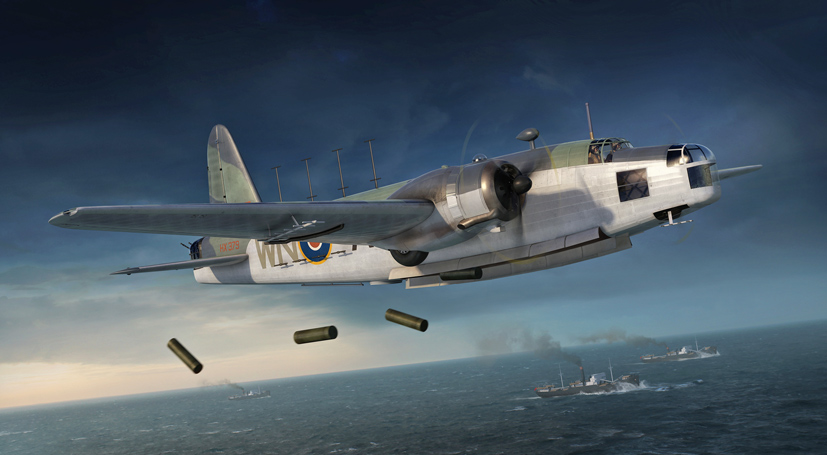
As we are speaking of classic Airfix artwork, this seems rather fitting opportunity to exclusively reveal to Workbench readers, the beautiful and dramatic new artwork which will grace the box of the second release from the new Wellington tooling, A08020 Vickers Wellington Mk.VIII. The image above marks the latest Adam Tooby digital masterpiece and features a rather specialised variant of the Wellington, one which was optimised for operations at sea and one which can now be built with the additional parts included with this soon to be released kit.
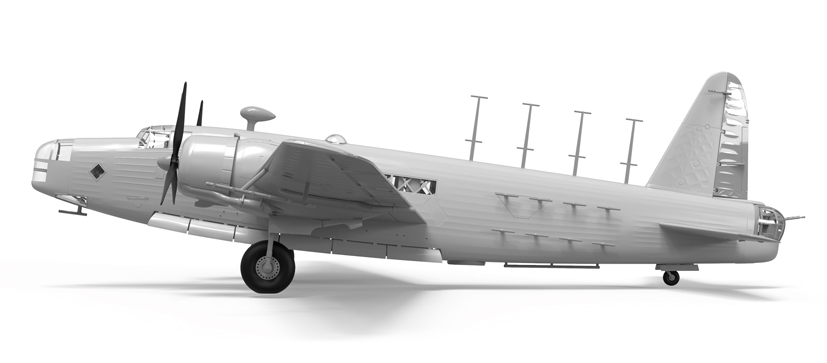
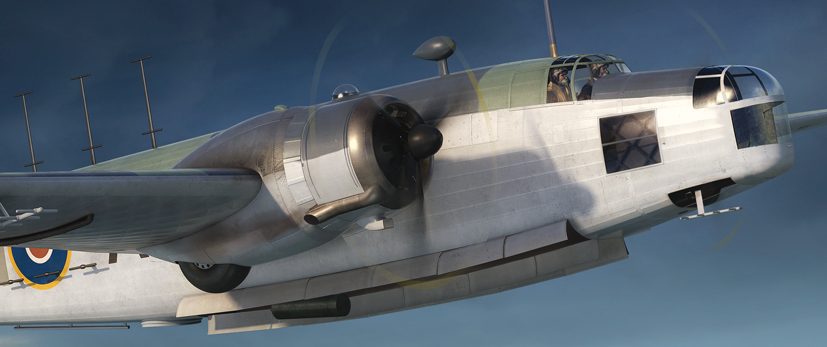
Computer rendered 3D image featuring the new Wellington GR Mk.VIII, a scale representation of one the most interesting British aircraft of the Second World War
Entering service in the April 1942, the Wellington GR Mk.VIII was a development of the RAF’s Mk.IC bomber and was specifically intended for operations at sea. These advanced aircraft were equipped with new technology designed to help them detect U-Boats and Axis shipping, before either illuminating these targets for other aircraft to attack, or launching an immediate attack themselves. Featuring a distinctive array of fuselage mounted aerials, these Wellingtons were equipped with ASV Mk.II radar sets, an Air-to-surface (vessel) system designed to allow the accurate detection of vessels at sea, by day or night. Mounting long maritime patrols, these aircraft proved incredibly successful against the U-Boat menace and dictated that submarines could no longer hunt with the relative impunity they previously enjoyed and were force to completely re-evaluate how they operated – in effect, these feared hunters had become the hunted.
Some of Coastal Command’s Wellington GR Mk. VIII aircraft were modified to carry a Leigh Light, designed to help with the night detection of surfaced U-Boats. An essential weapon in the battle against the U-Boats, the Leigh Light was a powerful 22 million candlepower carbon arc searchlight which was carried in a cradle, which could be lowered from the fuselage of the aircraft, behind the wing root. Used in conjunction with the aircraft’s radar unit, the crew of the Wellington would have already detected the U-boat, however, pressing home an attack over the dark ocean at night would have been almost impossible without the ability to illuminate their target.
Used from June 1942 onwards, the light allowed Coastal Command crews to attack German submarines which had surfaced to re-charge their batteries, with the cloak of darkness no longer protecting them from detection. With the U-Boat’s position identified, the powerful Leigh Light would only be activated in the final moments of the Wellington’s attack run, careful not to give the enemy vessel time to take evasive action and increasing the aircraft’s probability of success. This attack method proved to be so successful that U-boats were forced to carry out their vital surfaced battery re-charging procedure during daylight hours, greatly increasing their potential vulnerability to enemy attack, but also allowing their look-outs more time to react to the presence of approaching aircraft. Crucially, the use of Leigh Light equipped Wellingtons brought about a significant reduction in shipping losses due to U-boat operations, falling from 600,000 tons per month to 200,00 tons.
Let’s take a closer look at the scheme option included with this new kit and immortalised by the magnificent box artwork featured above.
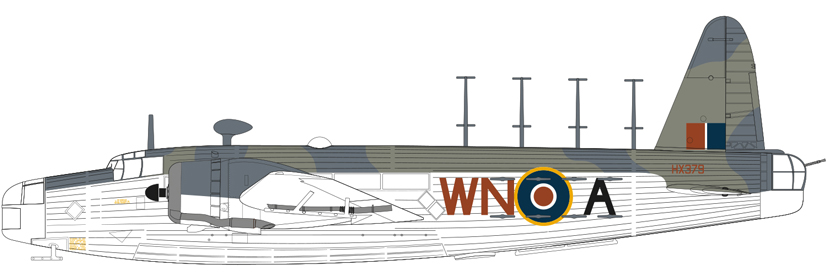
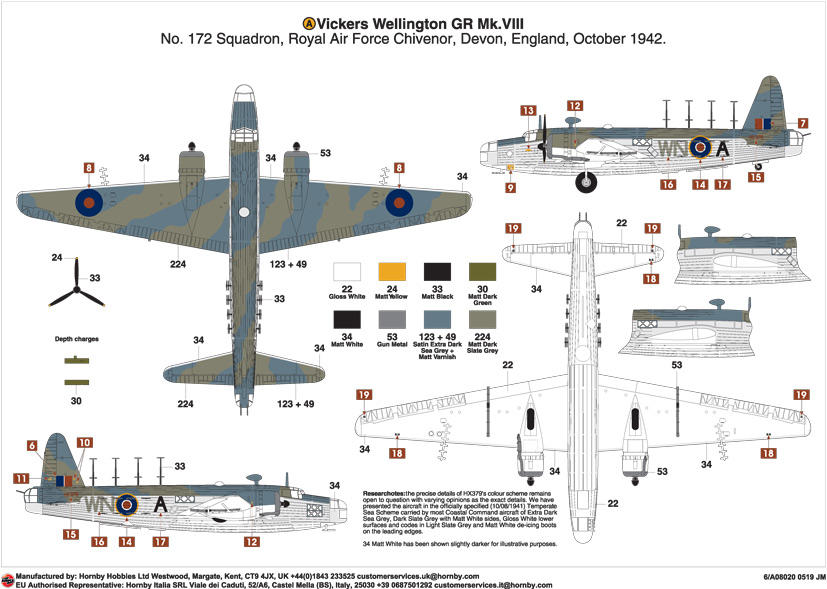
Full scheme details featuring a Leigh Light equipped Wellington GR Mk.VIII of No.172 Squadron, a beautiful new representation of this famous bomber and a little known feature of its wartime use
The second release from our newly tooled 1/72nd scale Vickers Wellington (A08020) is scheduled to arrive in good model shops in the next few weeks and will include additional component frames to allow the modeller to produce the GR Mk.VIII variant of the aircraft, which undertook maritime operations both in home waters and further afield. The new parts will allow one of two different versions of this mark of Wellington be constructed and as both variants have distinct differences, it could be quite a difficult choice in selecting which option to build.
The lead scheme presents a Wellington equipped with the powerful Leigh Light which proved so effective in disrupting U-Boat operations from the middle of 1942 and represented a significant technological advancement in the capabilities of Coastal Command aircraft. Vickers Wellington HX379 displays the full antenna array which was a feature of the ASV Mk.II radar equipment installation and has the front turret removed and glazed over. As most modellers tend to display their finished models on their undercarriage and the Leigh Light had to be retracted before a Wellington could land, this is how the design team decided to represent this particular aircraft.
A Maritime version of the Wellington Mk.IC used so successfully by the Royal Air Force, the GR Mk.VIII was produced in three distinct variants, the most distinctive of which were the 58 aircraft equipped with both ASV Mk.II radar and a powerful Leigh Light, intended for use in night time operations against surfaced U-boats. The first RAF Squadron to be equipped with the Leigh Light Wellington was No.172 Squadron, formed at Chivenor on 4th April 1942, having initially been designated No.1417 (Leigh Light) Flight.
On its first patrol, a Wellington from the squadron detected and attacked the Italian submarine Luigi Torelli – piloted by Squadron Leader Jeaffreson Greswell, his Wellington detected and illuminated the Italian vessel, which remained surfaced and even fired identification flares, assuming the aircraft was friendly. The Wellington made two attack runs on the submarine, dropping depth charges and badly damaging the vessel, forcing it to make for port in Spain, but also proving the effectiveness of the radar/Leigh Light detection system. The squadron’s first confirmed submarine kill occurred on 5th July 1942, when U-502 was destroyed in the Bay of Biscay, west of La Rochelle.
With the ability to either destroy or significantly disrupt enemy U-boat activity, the Leigh Light equipped Wellingtons of Coastal Command were in great demand and wherever U-boats posed a particular threat, the aircraft would be dispatched to deal with them. This would see the Wellingtons flying from various airfields, both in the UK and the Mediterranean, as the essential work of maintaining Britain’s sea lanes and preventing enemy re-supply by sea continued throughout the war. After serving with No.172 Squadron and helping to establish the operational credentials of these unusual anti-submarine aircraft, Wellington GR Mk.VIII HX379 transferred to No.179 Squadron, where it would fly similar operations from RAF Gibraltar.
On the night of 2nd/3rd June 1943, it was one of four aircraft sent to patrol the approaches of the Mediterranean against enemy U-boat activity. After the aircraft had been patrolling for some time, the crew reported that one engine had failed and they were immediately returning to base. Little is known about what happened next, but the aircraft was later reported as having ditched in the sea, some 19 miles west of Gibraltar. In what must have been a particularly heavy ditching, some of the crew sustained significant injuries and with their life raft damaged in the incident, they were all left clinging to debris floating on the sea. Two men decided to try and swim to the Spanish coast to raise the alarm and were fortunate to be picked up by a fishing boat when they were on the point of exhaustion – tragically, nothing more was heard of the crew mates they were forced to leave behind.
This magnificent new kit will only serve to further enhance the appeal of the newly tooled Airfix Wellington and is destined to be a popular addition to many a build schedule during the dark winter nights. Although described on the Airfix website as being scheduled for release during the coming winter months, we expect A08020 to be available over the next few weeks, so please keep an eye out for this spectacular new kit.
As Airfix fans inspected the new model range at the beginning of 2019, they will have been delighted to see the inclusion of three completely new tooling projects, in the shape of the Buccaneer S.2 and MiG-17F in 1/72nd scale and the De Havilland Tiger Moth in the larger 1/48th scale. Although it has been a real pleasure to keep Workbench readers updated with the progress of these new models throughout the year, we did have to wait quite some time before we could bring you development details from the Tiger Moth project, which is why this information appears to have been coming thick and fast over the past few weeks. There is a very good reason for this, but that little modelling tale will have to be the subject of a forthcoming edition of the blog. Thankfully, it is now full steam ahead for the new Tiger Moth and we are delighted to be able to continue its triumphant advance towards eventual release by bringing you confirmation of the two scheme options which will be included with the first kit from this exciting new tooling.
Airfix and the De Havilland Tiger Moth have a long modelling association which dates all the way back to 1957, when the first 1/72 scale kit of this famous biplane was introduced to the range – back then, the kit would have been presented in the distinctive polythene bag with illustrated card header style of packaging. This classic kit was a regular in many an Airfix kit range over the years, benefiting from a series of cosmetic presentation changes, until it was superseded by new and much more detailed 1/72nd scale kit in 2014.
With this year’s announcement of a highly detailed new Tiger Moth kit in the slightly larger 1/48th scale, the famous aviation attributes of this magnificent aeroplane will be enjoyed by an even greater modelling audience, who will all come to appreciate that whilst this classic may not be as overtly appealing as either a Spitfire or a Mosquito, it is undoubtedly one of the most significant aircraft in the history of flight. Our new 1/48th scale de Havilland Tiger Moth is already attracting plenty of attention and possesses all the attributes to ensure it is regarded as a Classic Airfix kit, once this beautiful new model is unleaded on an expectant modelling world.
We are please to confirm the two scheme details which will be included with the initial release from this spectacular new tooling:
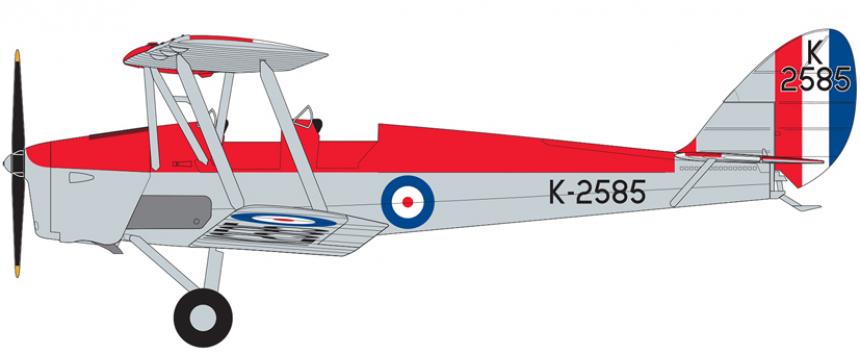
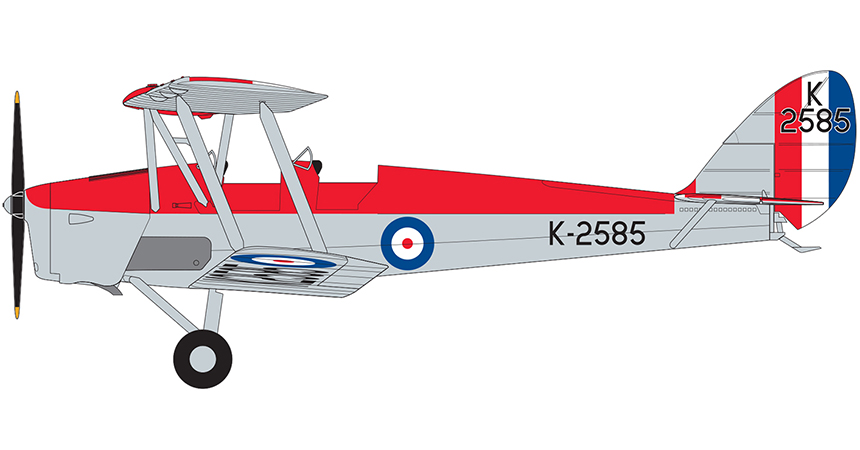
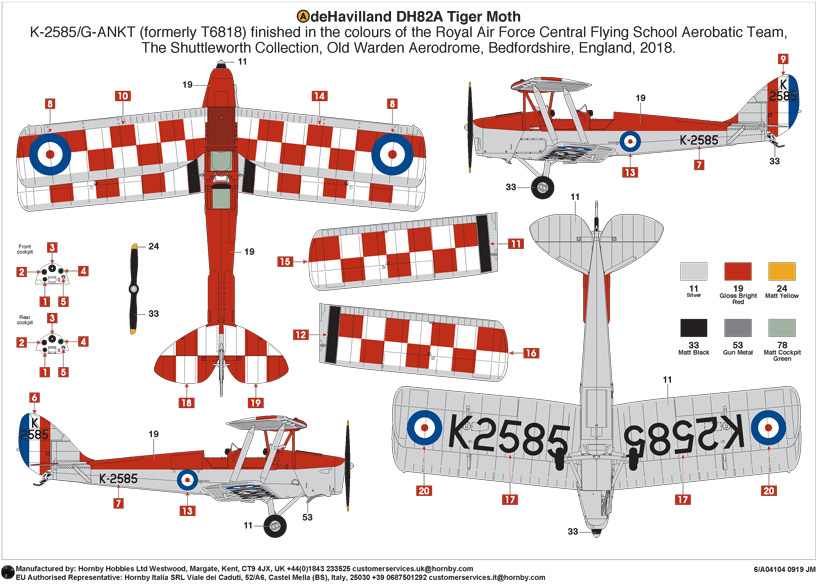
Scheme A - de Havilland DH82A Tiger Moth, K-2585/G-ANKT (formerly T6818), owned and operated by The Shuttleworth Collection, Old Warden Aerodrome, Bedfordshire, England, 2018 – finished in the colours of the Royal Air Force Central Flying School Aerobatic Team.
One of the most popular venues for historic aviation in the UK is the delightful grass aerodrome at Old Warden in Bedfordshire, home to the world famous Shuttleworth Collection. In addition to allowing visitors to inspect the historic hangars at the site and marvel at the aviation delights within, the Collection also arrange several Airshow events each year, which attract many thousands of people to this sleepy corner of rural Bedfordshire. Boasting a unique atmosphere and flying displays which seem to be performed much closer to the crowds than at other events, it is fair to say that once you have experienced an Old Warden show, no other Airshow comes close.
With an impressive number of historic aircraft based at Old Warden, the Collection could quite easily stage an Airshow with the serviceable aircraft they have in their hangars, one of which is a particularly flamboyantly presented de Havilland DH82a Tiger Moth, an aircraft which has been owned by the collection since 1966. This aircraft was built by Morris Motors at their Cowley factory in 1944, with the construction number 85087 and delivered to the Royal Air Force with the serial number T6818. Little is known of the aircraft’s military service history, however, like the thousands of other RAF Tiger Moths which trained a great many British and Commonwealth pilots during the 1930s and 40s, it will undoubtedly have been an extremely busy aeroplane.
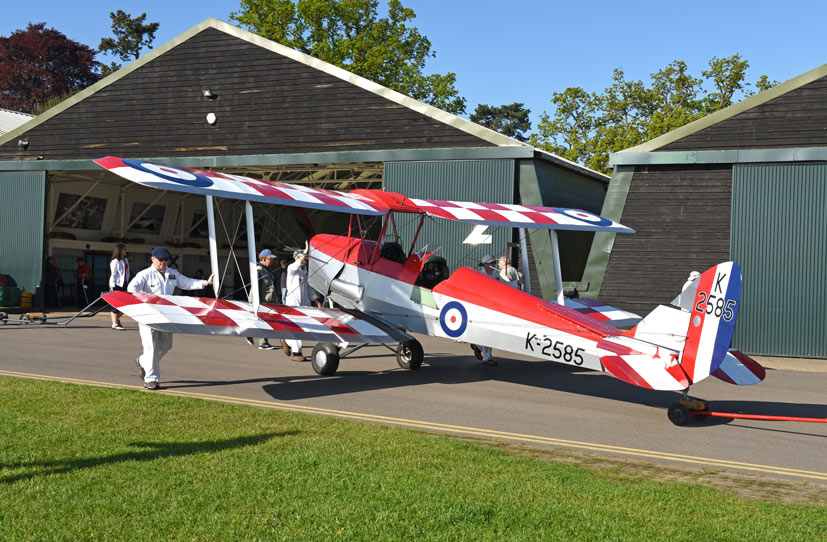
Always one of the stars of any Shuttleworth Airshow, de Havilland Tiger Moth K-2585 wears the distinctive colours of a Royal Air Force Central Flying School Aerobatic Team aircraft from the 1930s
The aircraft’s post war history is much easier to trace, as it received the civilian registration G-ANKT and was acquired by the Shuttleworth Collection in 1966, along with two other Tiger Moth airframes. Over the next ten years or so, the aircraft was completely overhauled and re-covered by two former Old Warden engineering apprentices, using components taken from the other airframes owned by the collection. It made its first post restoration flight in 1977 and began a new career as an Airshow performer and training aircraft for pilots hoping to go on to fly the Collection’s aircraft.
Now a much loved feature of the many events held at Old Warden, the aircraft wears the colours of a Royal Air Force Central Flying School Aerobatic Team Tiger Moth from circa 1932/33 and the fictitious codes K-2585 – an aircraft wearing these markings would have represented the CFS at the annual Hendon Air Pageant. These massive events were an opportunity for the RAF to display both their flying skills and latest aircraft designs to crowd numbers which regularly approached half a million people and were a source of huge pride between individual squadrons. In these markings, Tiger Moth K-2585 (G-ANKT) is one of the most distinctive aircraft on the UK Airshow circuit and a real Shuttleworth favourite.
Scheme B - de Havilland DH82A Tiger Moth, K-4259/G-ANMO, Headcorn Aerodrome, Kent, England, 2018.
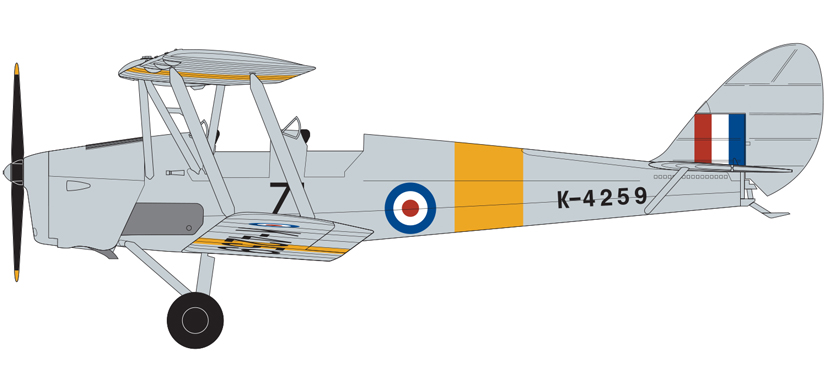
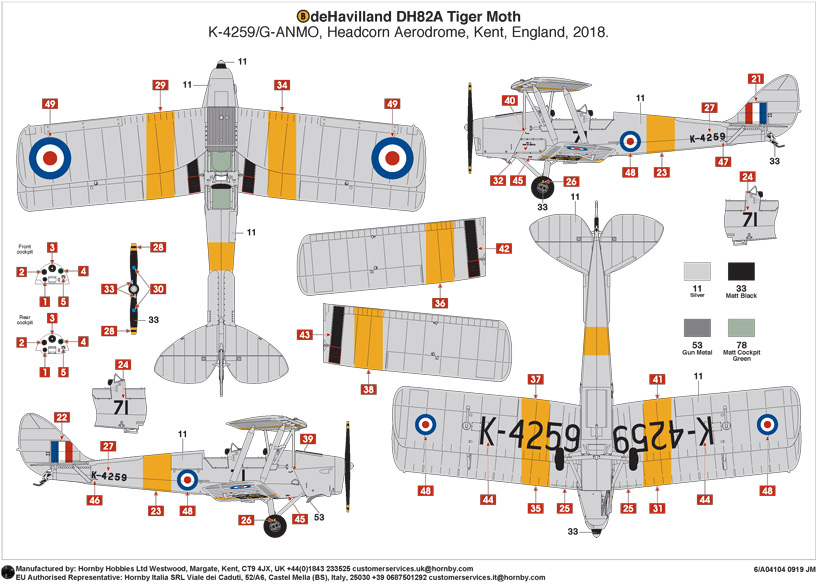
For the entire Airfix team and the lead designer on this new Tiger Moth kit in particular, this second scheme option to be included with the first release will have real poignancy. As this fantastic new kit was progressing through the development stages, they were given the opportunity to visit Headcorn Aerodrome and have unprecedented access to the actual aircraft which is featured with this scheme option.
This particular Tiger Moth was built in 1934 and allocated to the Royal Air Force as K4259 in November of the same year. Officially taken on charge on 12th January 1935, it was initially issued to No.1 Aircraft Storage Unit, before being allocated to No.24 Squadron and a service career training future Royal Air Force pilots, as the nation prepared for war. During this extremely active period, it passed through a succession of training units, including lengthy periods with both Nos 10 and 22 Elementary Flying Training Schools. It ended its impressive service career with No.12 Maintenance Unit, from where it was sold to a private owner in December 1953 and was allocated the civilian registration G-ANMO the following month.
In 1955, the aircraft was purchased by an owner in France and it would be a further 15 years before it returned to the UK and regained its original G-ANMO registration. On 30th July 1972, this Tiger Moth was involved in a non-fatal mid-air collision with a Stampe biplane at an Airshow at Weston-super-Mare, an incident which would result in the aircraft undergoing a major rebuild and many years in the hangar. Making its first post restoration flight in early 1987, it has remained in airworthy condition since that date and passed through the hands of several different owners.
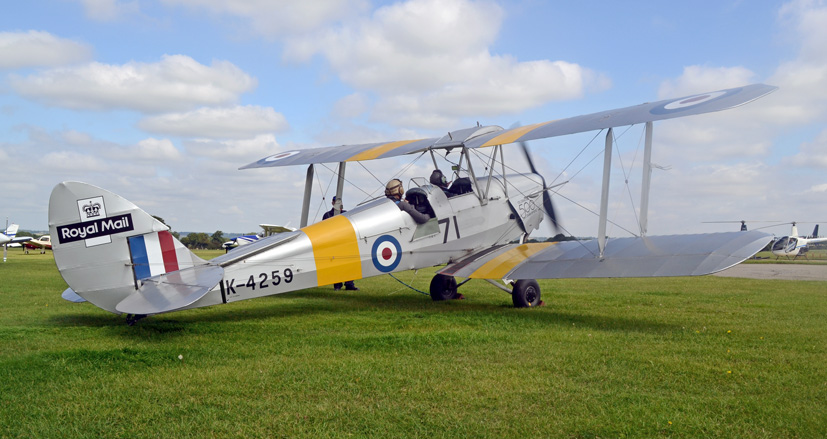
This magnificent aircraft allows members of the public to experience the thrill of flight and provided essential data during the development of the new Airfix kit representation of the aircraft
Perhaps the most significant date in the post war history of this aircraft occurred during 2014, when K-4259 was acquired by Aero Legends, a company which offers experience flights in several historic aircraft types from their facilities at Headcorn Aerodrome, North Weald Airfield and Sywell Aerodrome. Allowing people the opportunity to experience what it was like for young airmen during WWII who were progressing through their elementary flying training, the company can also offer flights in a two seat Spitfire, if you want the ultimate wartime RAF flying experience.
The de Havilland Tiger Moth was without doubt one of the most important aircraft of the 20th century and astonishingly, is still performing the same flying training role for which it was designed 88 years ago, to this day. Current Airshow display pilots who harbour a desire to progress to flying powerful Warbirds will need to gain plenty of ‘taildragger’ experience before that dream could become a reality and the most suitable aircraft in which to gain this experience is still a de Havilland Tiger Moth, designed during the 1930s. Just as it did in during the dark days of the Second World War, the Tiger Moth is still the most effective initial route into the cockpit of a Spitfire or Hurricane.
Our magnificent new 1/48th scale de Havilland Tiger Moth kit is now very much back on track, even though its release date has now been confirmed as February 2020. This extra time will allow everyone to pre-order their example of a model which we know will be incredibly popular and possibly quite difficult to obtain following its release.
All this talk of our new Tiger Moth kit leads us in rather nicely into looking at our plans for the upcoming Scale ModelWorld Show, which will be held at Telford’s International Centre over the weekend of 9th/10th November and is one of the most important events in the annual modelling calendar. For many years now, this impressive event has been a magnet for the great and the good of the modelling world and has played no small part in ensuring the modelling hobby has been enjoying something of a renaissance in recent times – long may that continue.
As one of the most important occasions in the Airfix events calendar, our plans for this year’s SMW weekend have been in place for quite some time and a sizeable team representing research, design, development and marketing of the Airfix brand will be in attendance at this year’s show. We are all looking forward to meeting friends old and new and inviting everyone in the respective display halls to come and see what we have on our stand this year, as well as spotting all those built Hellcats and Buccaneers on the many magnificent model displays a Scale ModelWorld show always serves up. Regulars at the show will know exactly where to find us, as we will be in our usual position in Hall 1, but if this is going to be your first Telford show, just look for the Airfix banners and follow the crowds.
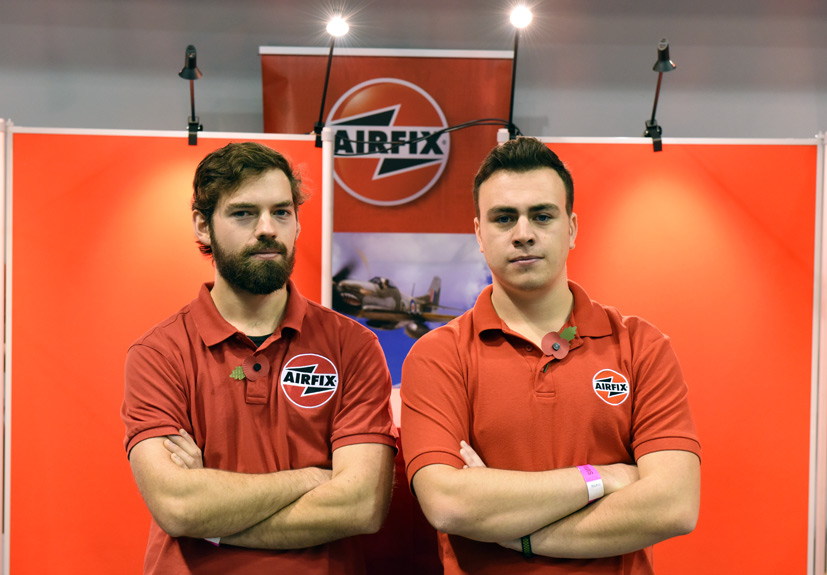
Two rather sinister looking members of the Airfix team ensuring nobody got an advanced sneak preview of the new model tooling unveiled at the 2018 show. They are both actually extremely nice fellows and we had to try extremely hard to make them scowl
Visitors to our display stand will have the opportunity to speak to some of the talented people who create the Airfix model kits we all love to build, whilst at the same time carry the responsibility of upholding the heritage of this famous brand. Many of the latest models they have been working on will be available for viewing on the display stand and will hopefully include painted samples of the new 1/48th scale de Havilland Tiger Moth. Our Make & Paint tables will be in full swing for the duration of the show, so if you need to keep the troops entertained, or just need a little modelling respite from the rigors of the show, we can help with that.
Members of the team will also be steeling themselves for the enjoyable, if extremely challenging responsibility of adjudicating the Airfix Trophy competition, where the standard of modelling talent makes their job ever more difficult with each passing year – we will once again be covering this competition for inclusion in a future edition of Workbench. In addition to this, our suggestions box will once again be positioned on the stand, where visitors are given the opportunity to have their say on what they think would look good in a future Airfix range and we can confirm that every suggestion is considered and discussed by the team.
Finally and by way of another Workbench exclusive, we are delighted to confirm that the Airfix stand will definitely be the place to be at 11am on Saturday 9th November, as our Brand Manager will be announcing a fantastic new tooling project at the show. We would love to give you a little clue as to the identity of the new model, but this would probably result in a couple of P45s flying about and we wouldn’t want that to happen so close to SMW weekend. These are exciting times and we are very much looking forward to seeing everyone over the show weekend and letting our latest modelling secret out.
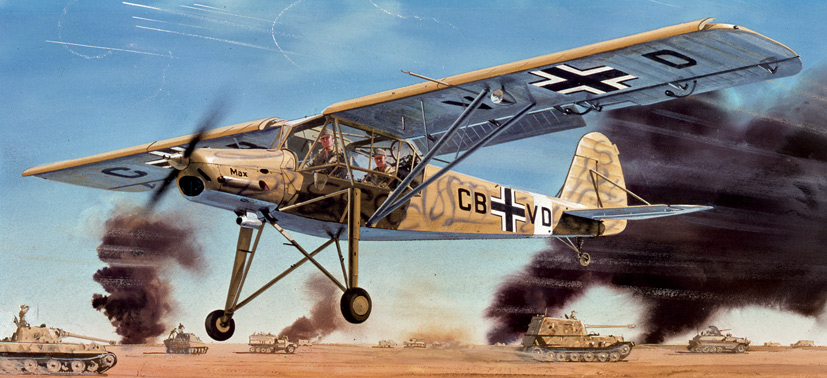
The Airfix brand name is undoubtedly etched in the minds of millions of people and for those of a certain vintage, would be more than happy to describe is as being a large part of our formative years. In the days when the publication of a new Airfix catalogue was better than Christmas and your birthday combined and the most appropriate thing to spend your holiday money on (that you had been saving up all year) was an impressive haul of new kits, it seemed as if the only thing that matter to us was Airfix.
Earlier in this blog, we looked at how the magnificent artwork which came from the brush of Roy Cross is probably responsible for inspiring many people to take up the modelling hobby in the first place and any sight of his many works is enough to instantly take us back to the days when life was so much simpler and securing your next Airfix kit was your most pressing priority. For that reason, the launch of our Vintage Classics range of kits and the resurrection of some of the iconic Airfix artwork from yesteryear proved to be an immediate success, bringing back these feelings of modelling nostalgia and introducing a range of classic Airfix kits to the current model range for a new generation of modellers to enjoy.
We are pleased to announce that a further batch of these classic models are advancing toward release and includes the first four aircraft models announced at the beginning of the year. Thanks to our development colleagues, we are delighted to be able to give Workbench readers an exclusive preview of the pack artwork which will grace the release of these models, with three of the kits also featuring classic artwork produced by Roy Cross.
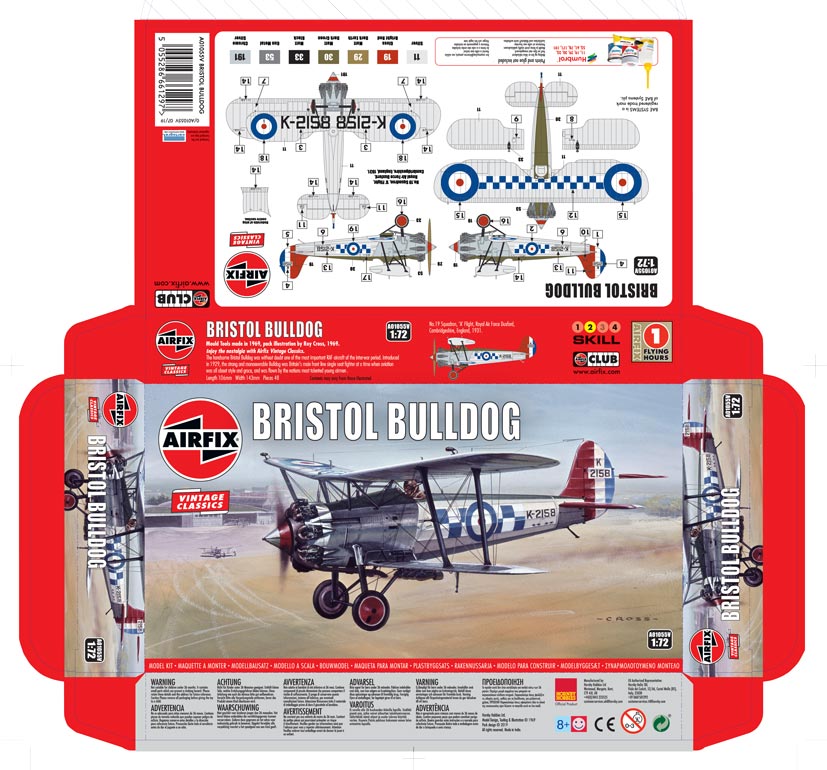
The handsome Bristol Bulldog was without doubt one of the most important RAF aircraft of the inter-war period. Introduced in 1929, the strong and manoeuvrable Bulldog was Britain’s main front line single seat fighter at a time when aviation was all about style and grace, and was flown by the nations most talented young airmen. One of these young pilots was Douglas Bader, a gifted airman with a flair for aerobatics but something of a daredevil reputation. Whilst performing unauthorised low level aerobatics in his Bulldog fighter, the wing of his aircraft clipped the ground sending it tumbling across the airfield. Bader was seriously injured and only survived thanks to the expertise of the surgeons at the Royal Berkshire Hospital.
Suffering a double amputation of his shattered legs, the story of Bader’s recovery and subsequent struggle to re-join the Royal Air Force made him a national hero and one of the most famous fighter pilots of the Second World War. By the time he was flying Spitfires from RAF Duxford, the Bristol Bulldog had long since been withdrawn from front line service, with just a few examples soldiering on in a secondary training role. Only two of these beautiful aircraft are known to have survived.
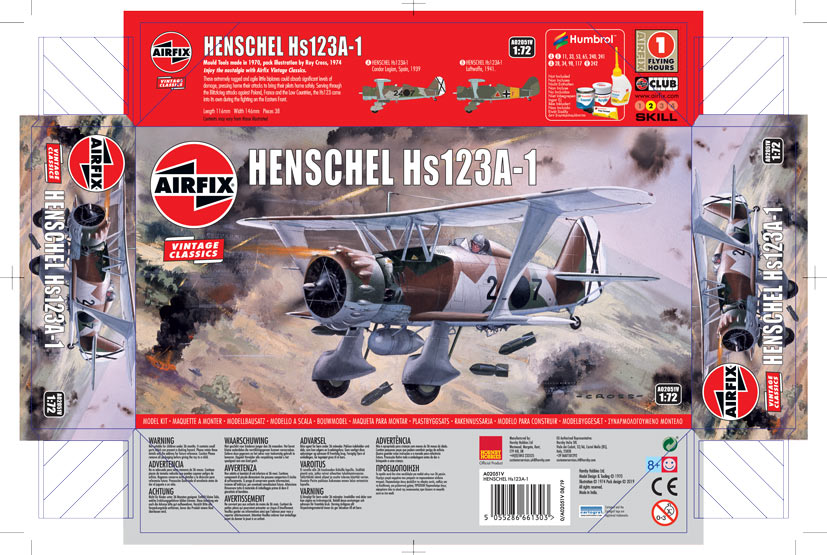
As you might expect from a new aircraft manufacturer previously involved in the production of railway locomotives, the Henschel Hs123 biplane attack aircraft was as tough as they come. Intended as a dive bomber and close air support aircraft, the Hs123 performed well during its combat introduction in the Spanish Civil War, however, its lack of range and relatively small bomb load saw future development suppressed due to the impending introduction of the monoplane Ju-87 Stuka. Despite this setback, the aircraft still in service at the start of WWII were sent into action, with its pilots perfecting the art of close air support for advancing ground units.
Proving to be extremely rugged, these agile little biplanes could absorb significant levels of damage, pressing home their attacks and bringing their pilots home safely. Serving through the Blitzkrieg attacks against Poland, France and the Low Countries, the Hs123 would come into its own during the savage fighting on the Eastern Front, where aircraft would be based close to the front lines, flying several offensive sorties each day. The aircraft proved so effective, that they were only withdrawn from service in the spring of 1944 and only then due to a lack of serviceable aircraft and spares.
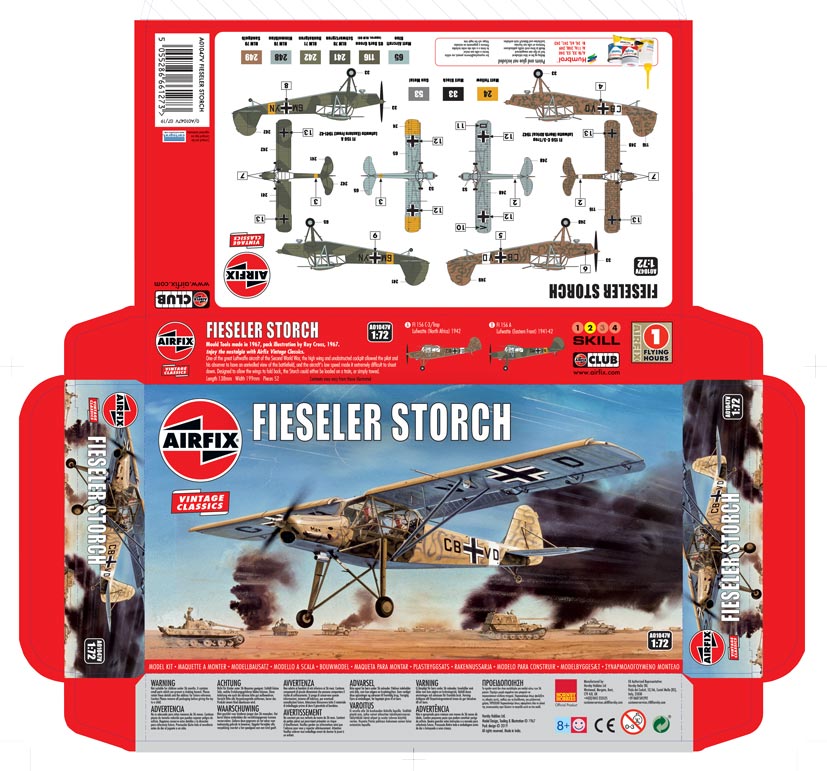
One of the great Luftwaffe aircraft of the Second World War, the ungainly looking Fieseler Storch may not have commanded the same respect as the fast and agile Messerschmitt Bf 109 fighter, yet its low speed handling and short field performance was without equal. Entering Luftwaffe service in 1937, the Storch performed the vital roles of Army cooperation, liaison and reconnaissance, meaning the aircraft was never too far away from the front lines and didn’t always need to be flown there. Designed to allow the high mounted wings to fold back in a similar manner to how aircraft are stored on ships, the Storch could either be loaded on a train, or simply towed behind a suitable vehicle, as they headed towards the action.
The high wing and unobstructed cockpit meant that the pilot and his observer had an unrivalled view of the battlefield situation below and the aircraft’s low speed made it extremely difficult for opposition fighters to shoot it down. Used extensively by Rommel during the ebb and flow of the North African Campaign, the Storch had an incredible stall speed of just 31mph and if flying in to a headwind with wing slats and flaps deployed, it almost had the ability to hover. Perhaps the most famous use of a Storch was when one was used to rescue a surrounded Benito Mussolini from a remote, rocky mountain top, landing in less than 100 feet and taking off again in only a slightly longer distance, the only fixed wing aircraft capable of doing so.
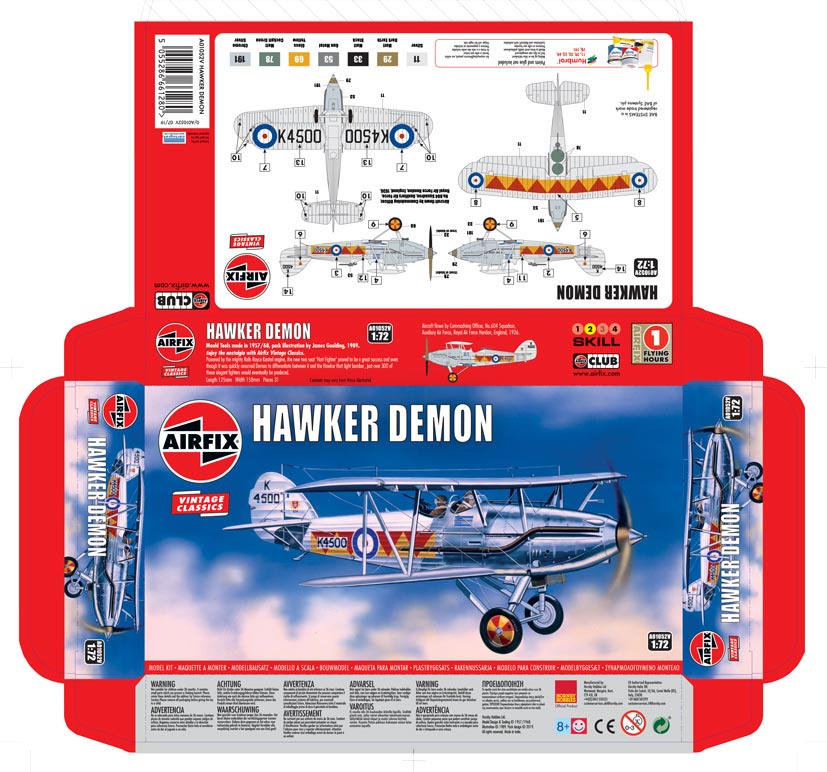
The period between the First and Second World Wars was something of a golden era for British aviation and saw the introduction of some of the most attractive aircraft to see RAF service. With their gleaming silver fuselages and bright squadron markings, many of these aircraft also represented the absolute pinnacle of biplane aviation technology. The introduction of the Hawker Hart light bomber proved to be something of an embarrassment for the RAF, as it was faster than the current fighter aircraft in service. The answer to this problem was simple, ask Hawker Aviation to build a fighter version of their Hart.
Powered by the mighty Rolls Royce Kestrel engine, the new two seat ‘Hart Fighter’ proved to be a great success and even though it was quickly renamed Demon to differentiate between the two aircraft, just over 300 of these elegant fighters would eventually be produced. Unfortunately, this golden era for biplanes occurred just as the first monoplane designs were being developed and their reign would prove to be a short, if glorious one. Just as the Demon had been introduced to combat a new breed of fast biplane bombers, so the performance of the new Bristol Blenheim would render it obsolete as a fighter almost overnight.
Bringing back plenty of happy memories for Airfix modellers, these first aviation releases in the Vintage Classics range are scheduled to arrive in model stores over the coming few weeks.
We are pleased to be able to end this latest edition of our blog by featuring an interesting series of photographs sent to us by regular Workbench contributor and Airfix devotee Tony Osborne, following his recent annual visit to the IMPS Irish Nationals Model Show, which was held at Dublin’s Plaza Hotel over the weekend of 5th/6th October. An avid modeller himself, Tony makes the trip from Northern Ireland to attend the show each year, which showcases the work of some of the most accomplished modellers in Ireland – indeed, some of the exhibits will undoubtedly find their way onto the competition tables at the forthcoming Scale ModelWorld show at Telford.
The following selection of images features some of the Airfix exhibits Tony spotted at the show, several of which went on to win awards, whilst others just looked fantastic – enjoy the pictures.
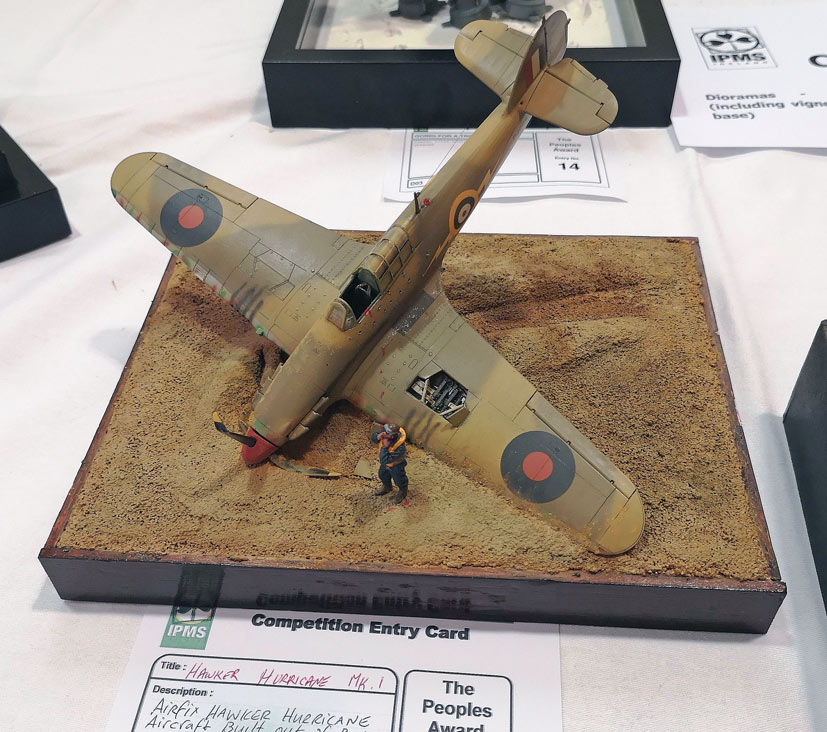
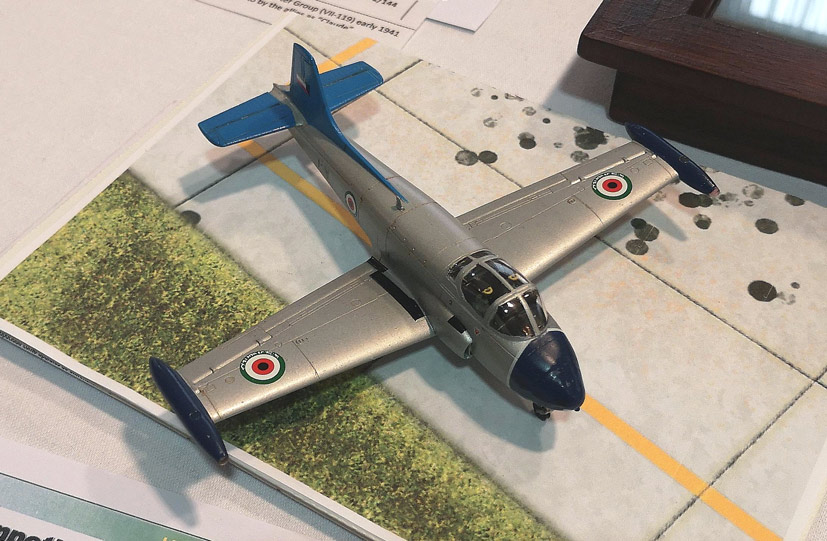
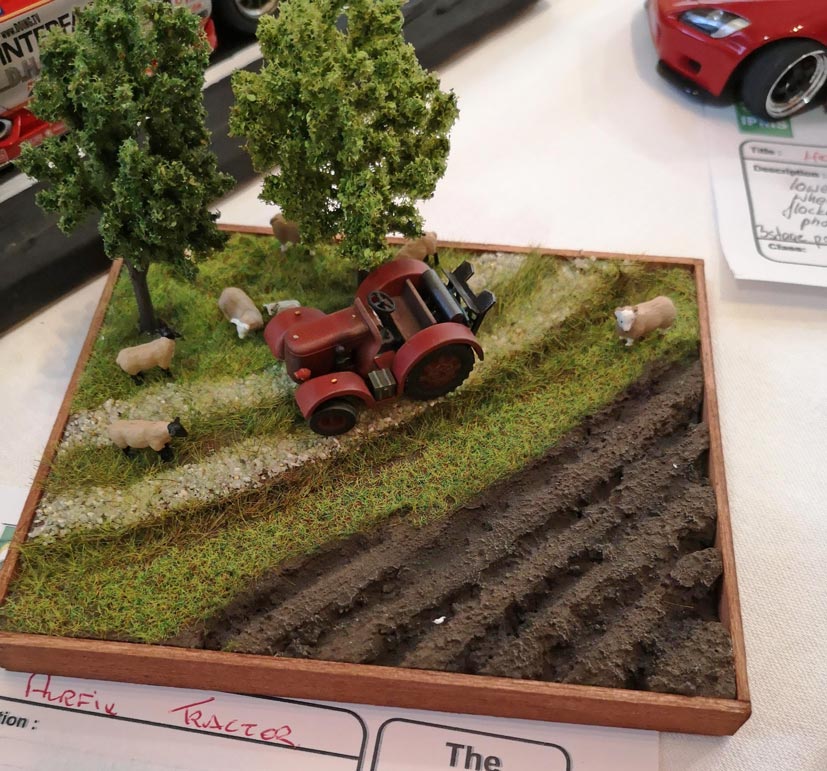
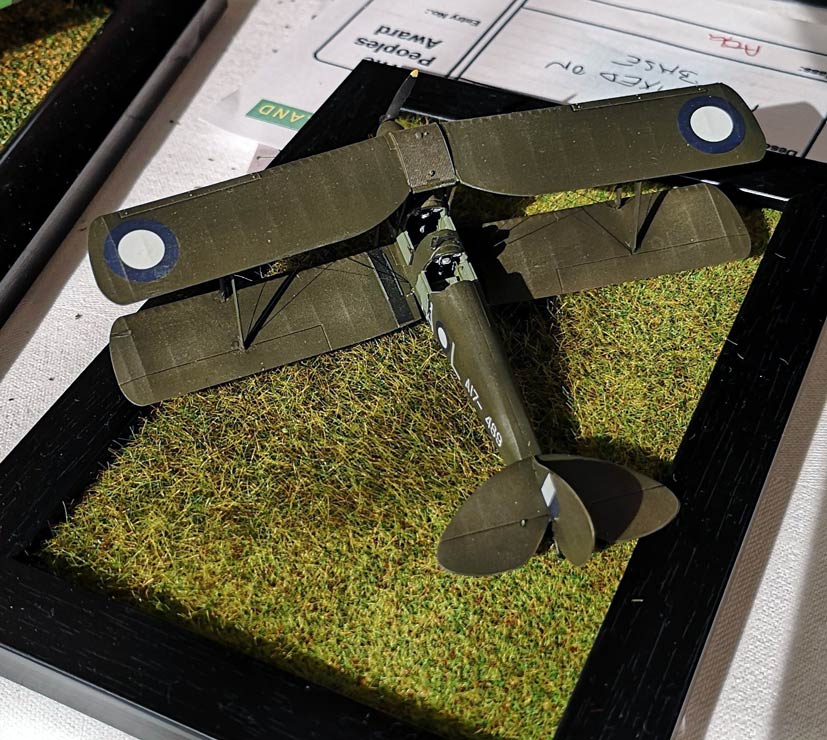
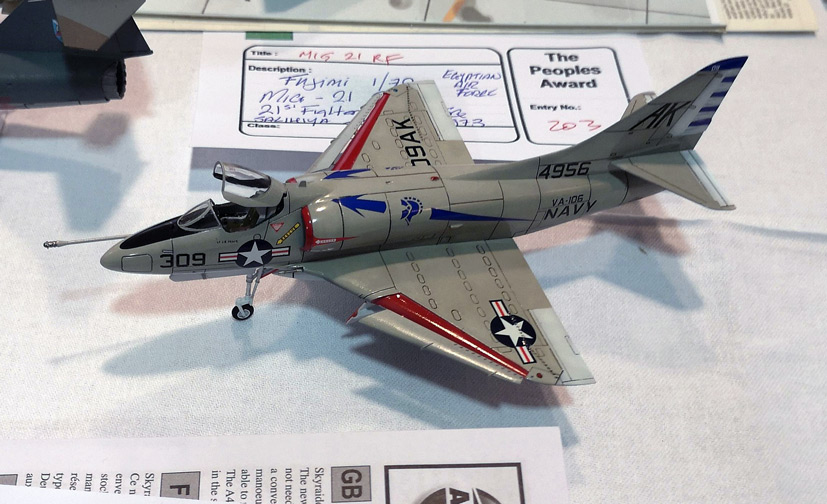
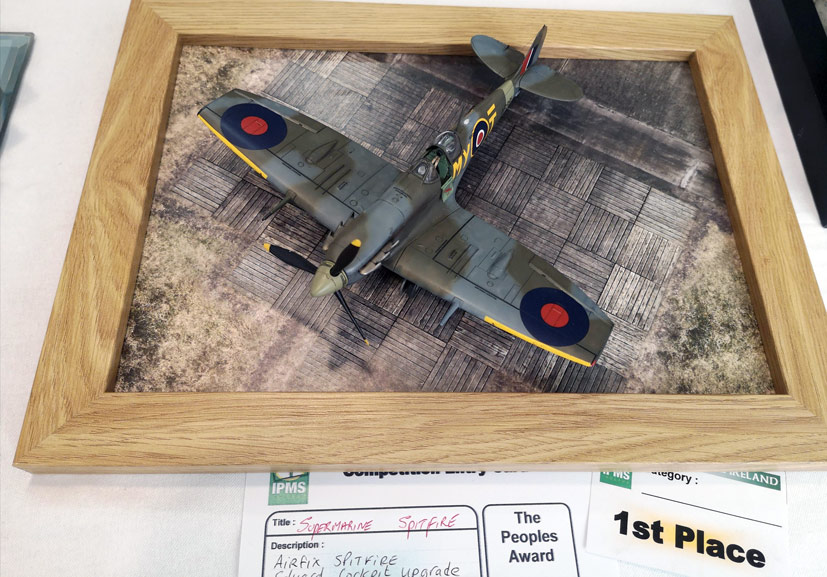
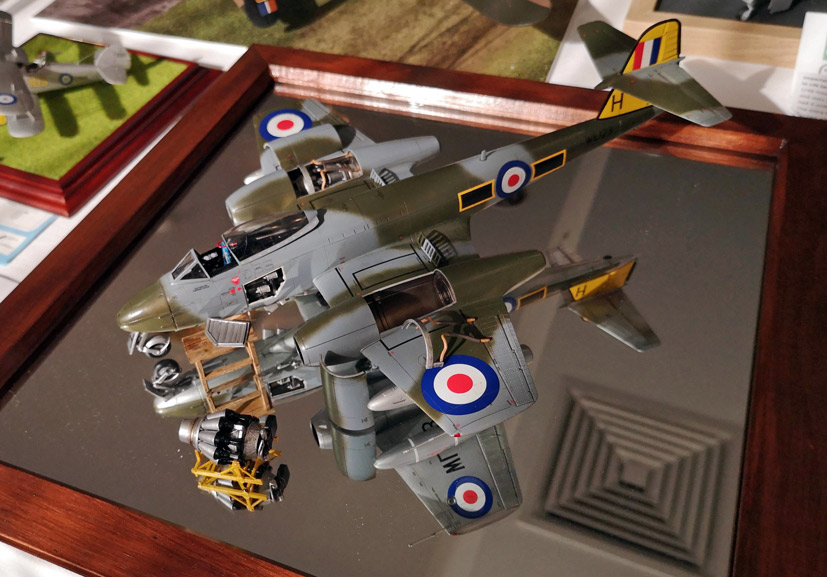

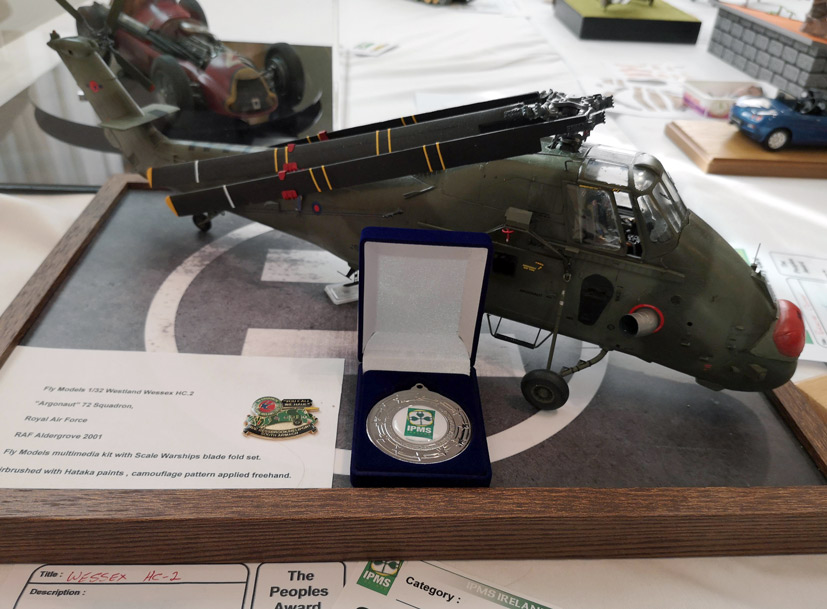
Whilst Tony is quick to describe this show as one of the highlights of his own modelling year, he also goes on to say that it might not be the biggest event of its kind in the UK, but what it may lack in overall scale, it more than makes up for in quality – the standard of modelling skill on display is exceptional. We would like to thank Tony for kindly sending in these pictures and allowing us to share them with fellow Workbench readers. We leave the final image to Tony himself – although far too modest to say so himself, one of his models was a competition winner itself and is a fine example of Tony’s own modelling prowess. We think Tony left this one out because it is not an Airfix kit, but the felt his success needed to be recognised – his 1/32nd scale Westland Wessex HC.2 is an absolute cracker and worthy of bringing any edition of Workbench to a close. Congratulations Tony and thanks again.
We are afraid that’s all we have for you in this latest edition of Workbench, however, we will be back as usual in two weeks’ time with a further selection of Airfix modelling delights for your enjoyment. In the meantime, if you have any suggestions for subjects you would like to see covered in a future edition of the blog, or ways in which we could enhance your enjoyment of Workbench, please do not hesitate in contacting us. We can be reached via our usual e-mail address workbench@airfix.com or by contributing to our Workbench thread over on the Airfix Forum. If social media is more your style, you could access either our Airfix Facebook page or Twitter channel, (using #airfixworkbench), where you will find plenty of modelling news, views and discussion taking place. Whichever medium is your preference, please do get in touch, as it is always interesting to hear from fellow modelling enthusiasts and the projects you have on the go at the moment.
As always, the Airfix website is the place to go for all the latest model release information, with our New Arrivals and Coming Soon sections both quickly accessed by clicking either of the links above. As updating the website is an ongoing process, a quick search through each section of the Airfix web pages will often reveal new information and updated images in many of the product sections and this is always an enjoyable way in which to spend a few spare minutes.
The next edition of Workbench is due to be published on Friday 25th October, when we will have more news and modelling features from the fascinating world of Airfix.
On behalf of the entire Workbench team, thank you for your continued support our Airfix blog.
The Airfix Workbench Team
© Hornby Hobbies Ltd. All rights reserved.

