Posted at 03:24:53 Mon 25 Jul 2016
1 - How much detail can be printed on (a) the cheaper domestic printers, and (b) by commercial printers?
Most home printers can do 0.5mm detail, some even go down to 0.2mm detail (by detail I mean embossed/engraved detail). You must also keep in mind other criteria like min supported wall thickness and min unsupported wall thickness.
2 - What does a domestic printer cost to buy and to run?
All I know is that it's not that cheap. But roughly starting at 500 quid for a good one.
3 - how much does a 'one off' print job about the size of a locomotive body produced commercially cost?
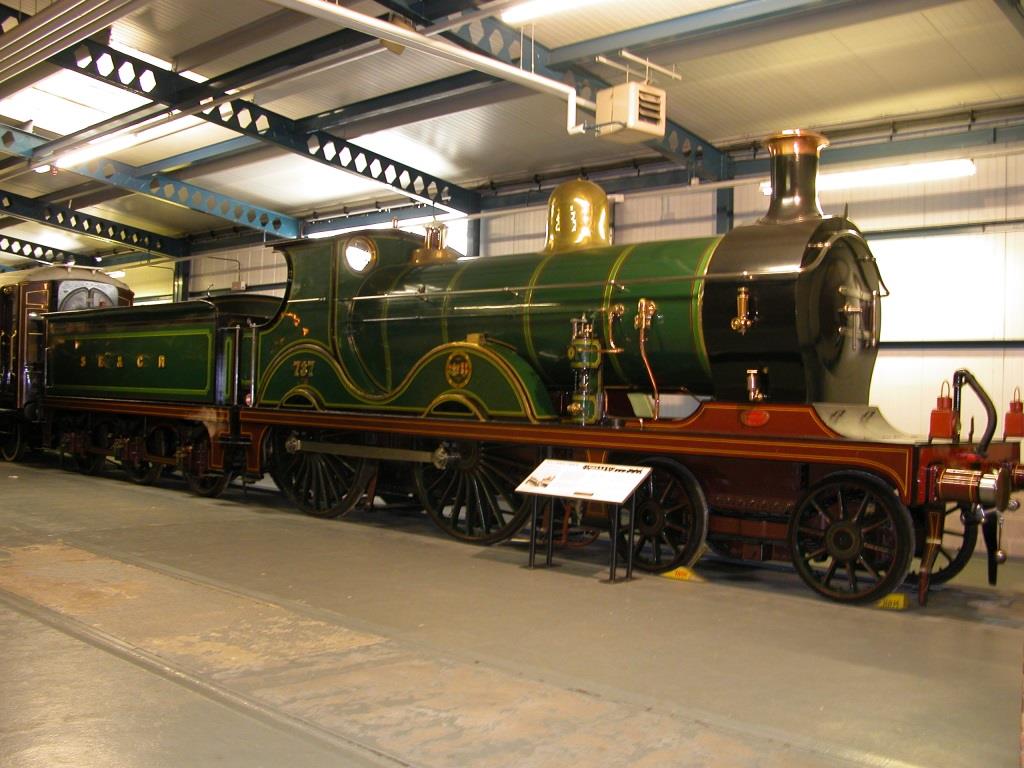
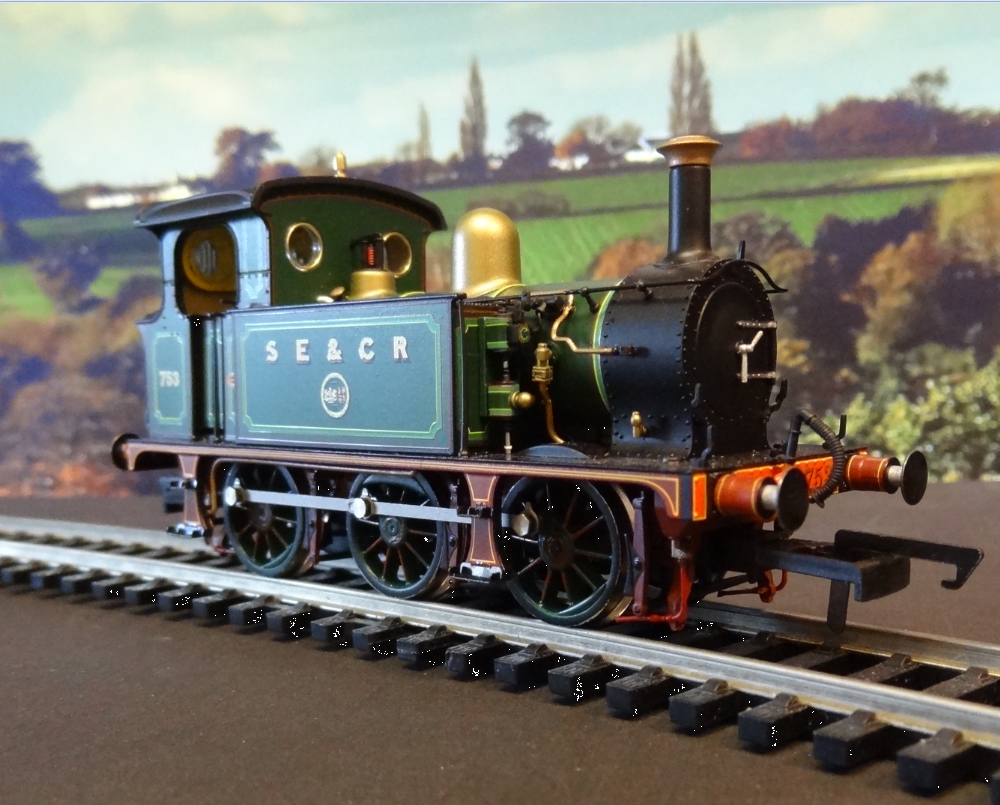
Depending on size, something the size of a LB&SCR E2 can be rougly 25-35 quid. And something the size of say a Class 60/66/92 can be over 80 quid.
4 - are there any restrictions as to size and the material used e.g. do these machines only print in plastic?
Yes, depending on the type of printer there are restrictions, usually the size of the printing table. There's a variety of materials, nylon based, plastic, even wood. Most recently China 3D printed homes in concrete on a giant scale.
5 - What are the requirements for producing the drawing to drive the printer, does it require a specialist software package to prepare the drawing?
I use SketchUp, it's free and by far the most powerful and easy-to-learn software. I actually learnt how to use SketchUp without any tutorials for help. I did it all by myself and it took me a month and a half. I'd be more than happy to help you out.
6 - Have any of you done any 3D printing, if so how did you like the result?
Yes, incidentally I just received my first set of 3D prints, I was contemplating on whether to post them here or not. Afterall I do run a small hobby/business and I was afraid many would mistake it for advertising. I do have an online shop on Shapeways, though I mostly dabble in T gauge (1:450) I have a couple of OO gauge detailing parts for Hornby models so I didn't want it to come across as advertising.
I can give you my feedback based on Shapeways only, I tried two materials - WSF and FUD. WSF was too grainy for my liking and the post-printing work i.e. wet and dry sanding is just too time consuming. FUD on the other hand is much much better and requires less post-printing work (I have dileberately not sanded my FUD parts just to see it's final outcome).
T gauge (1:450) Indian Railways 4-6-2 WP Class


T gauge (1:450) GWR Lineside Huts


T gauge (1:450) GWR Pagoda Waiting Room

T gauge (1:450) GWR Water Towers


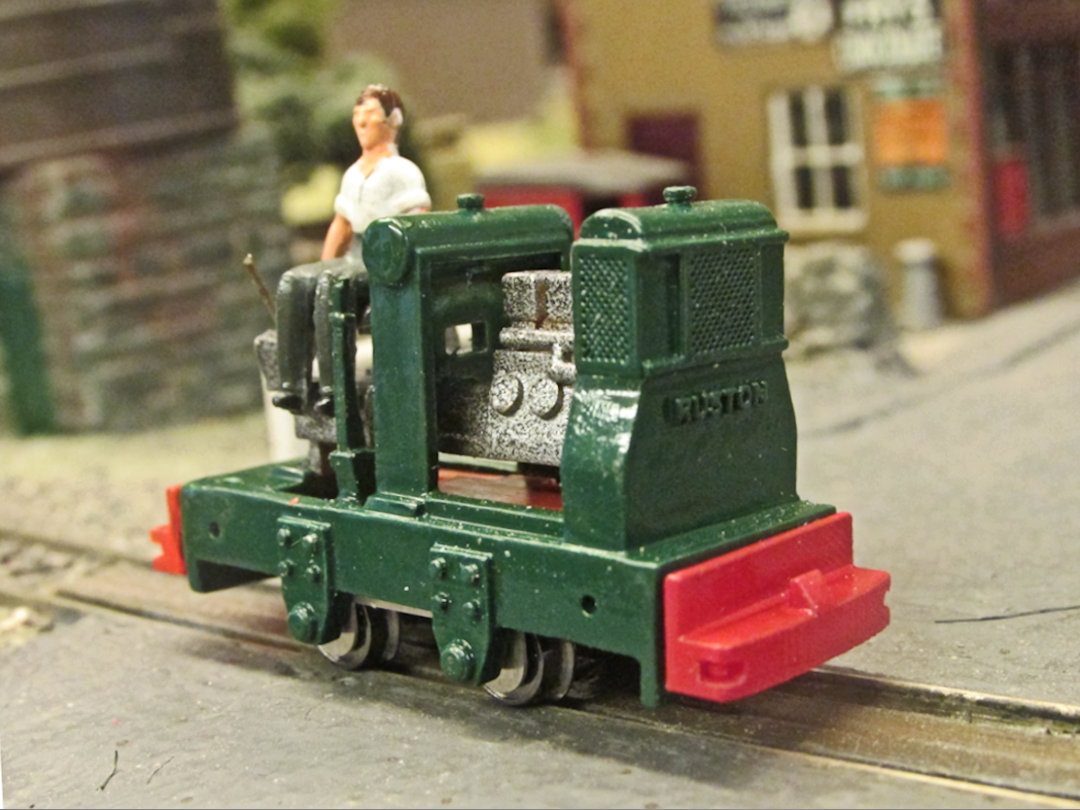
HO gauge (1:87) Indian Railways SAN DL700 Industrial Shunter


Note: The transparent plastic is Shapeways' FUD (Frosted Ultra Detail) a good material that is slightly brittle but also flexible. Finish is pretty smooth and requires the least amount of post-printing work. The white plastic is Shapeways' WSF (White Strong and Flexible). By far the best in terms of robustness but severely let down by it's grainy finish.
If you need any more advice and/or tips feel free to ask Adam for my email ID. I'll be more than happy to help you out especially with learning how to design stuff using SketchUp and also 3D printing.
Hope my post has been useful to you in some way or the other.
Cheers!
Jeremiah.