

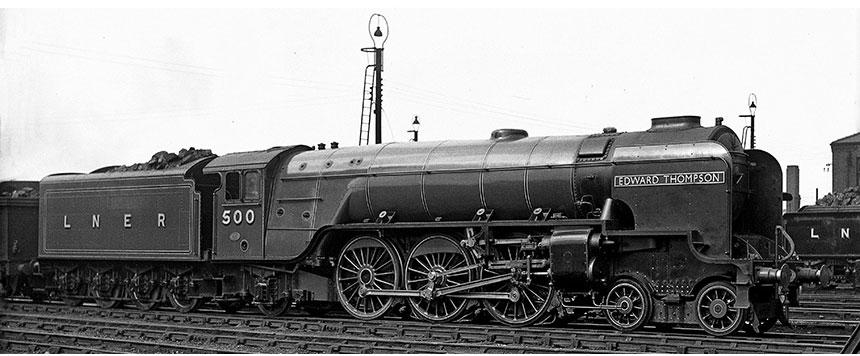
Almost 74 years to the day! A2/3 Pacific No. 500 ‘Edward Thompson’ at Doncaster Shed on 22 June 1946. © T.G. Hepburn/Rail Archive Stephenson
Good afternoon to you all and welcome to this June edition of Engine Shed.
Another month rolls by and very gradually life is edging back towards a ‘new’ normal. As far as the hobby sector is concerned, it is difficult to assess where it has left everyone; has the lockdown and shielding policy led to a renaissance in modelling, or is it that modelling and crafting has been a means to an end to keep people occupied during a ‘quiet’ period? Whatever the case, it is up to all of us to encourage the new entrants and returnees to railway modelling, to make them feel welcome, to feel comfortable with their own skill levels and to nurture their developing skills so that the hobby can continue to thrive.
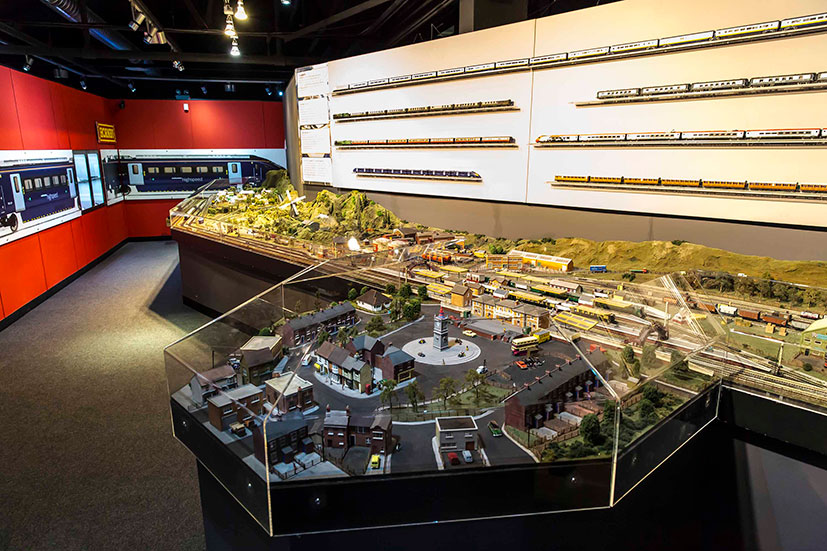
Hopefully, if all goes to plan, July will allow the Heritage sector to finally get their 2020 season underway, a timely reminder that ten years ago, on a stifling hot summer’s day, the Hornby Visitor Centre opened its doors to the public for the very first time. The venue has since gone from strength to strength, as last year’s Open Day in conjunction with Locomotive Storage Ltd and an internal refurbishment of displays proved.
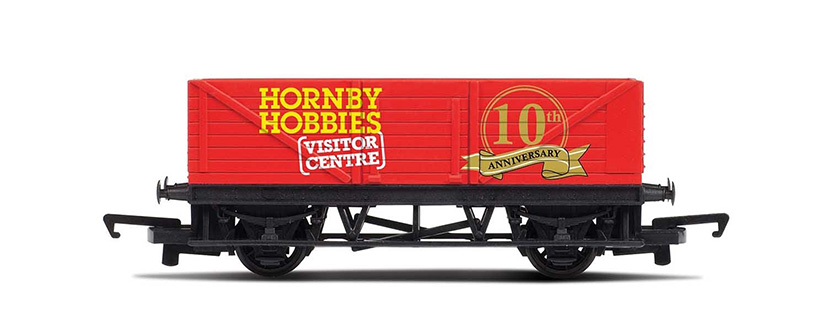
In recent years, we have produced a wagon as a souvenir of a visit to the Visitor Centre, so with the 10th Anniversary upon us, the wagon has also received a livery ‘upgrade’ and now features its own ten year anniversary logo, perfect for hauling behind the 2020 Hornby Collector Club Centenary Year locomotive! R60007 is available to order via the website and has arrived in stock this week; hopefully it will not be too much longer until it is available to purchase over the counter at the Visitor Centre, a situation that we are sure is widely shared.
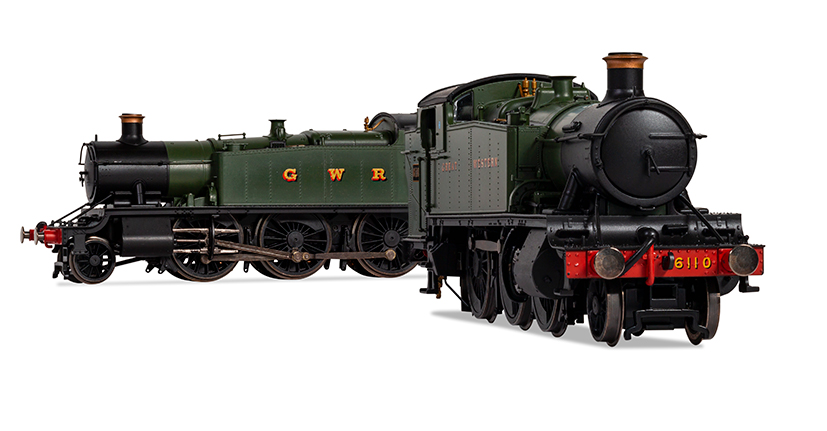
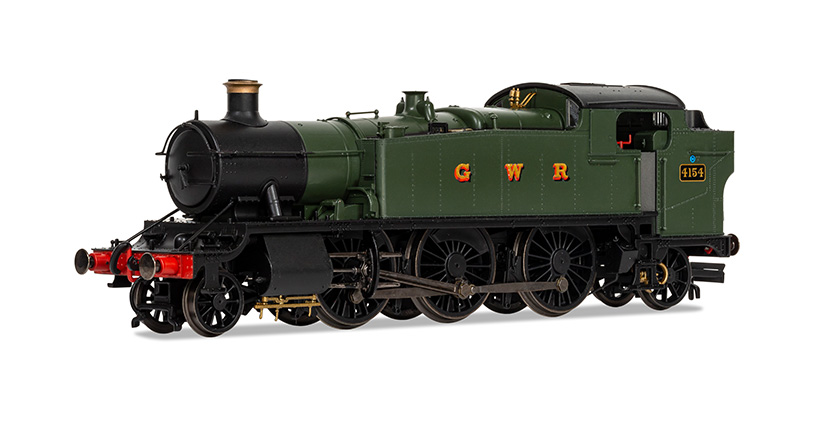
Also arriving into stock this week are the long anticipated models of the Class 51xx/61xx, with R3723 and R3723X being sent to retailers first, to be followed by R3719, R3721 and R3725 in the coming weeks. It seems a long time since we visited Didcot Railway Centre, back in August 2017, to measure up 4144 and due to unavoidable circumstances it has taken a little longer for the model to come to market than we would have liked, but I am sure that you will all agree that the wait has been worthwhile and we look forward to seeing images of the models running on your layouts soon.
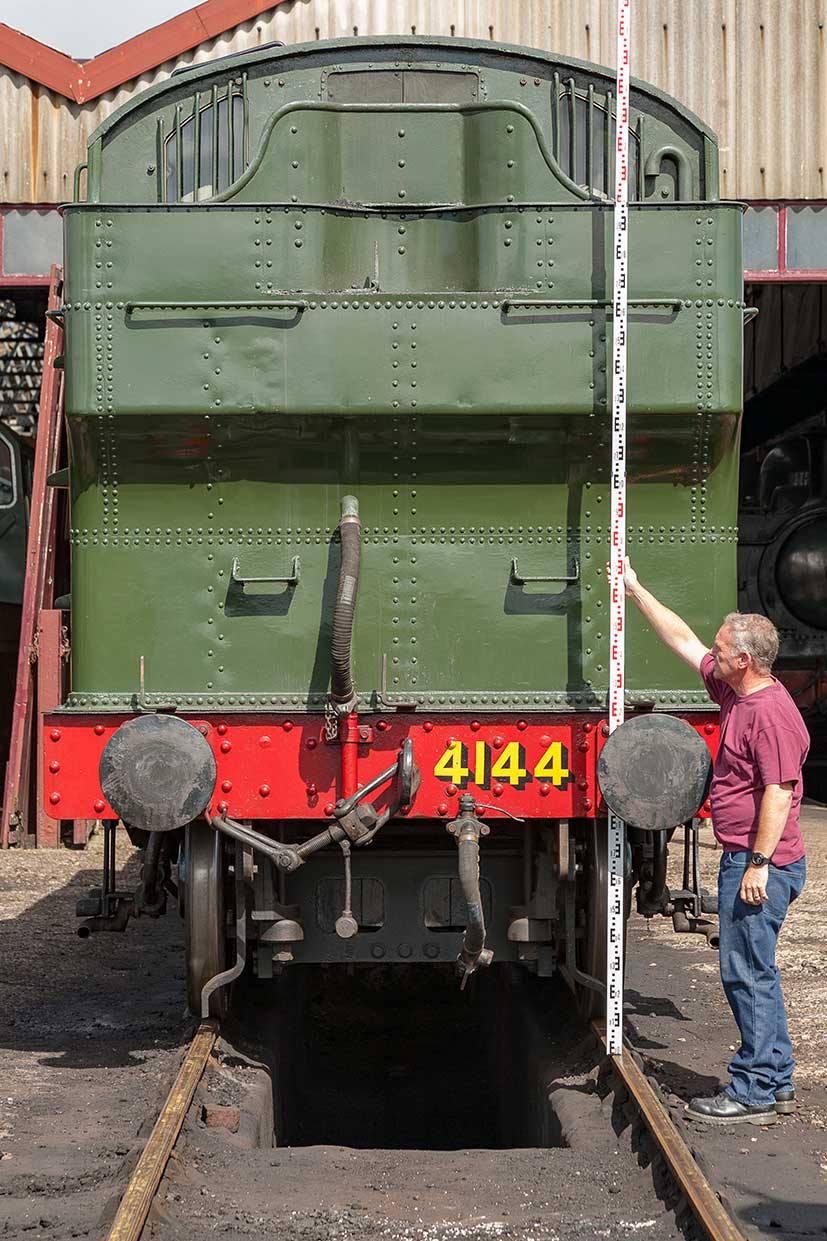
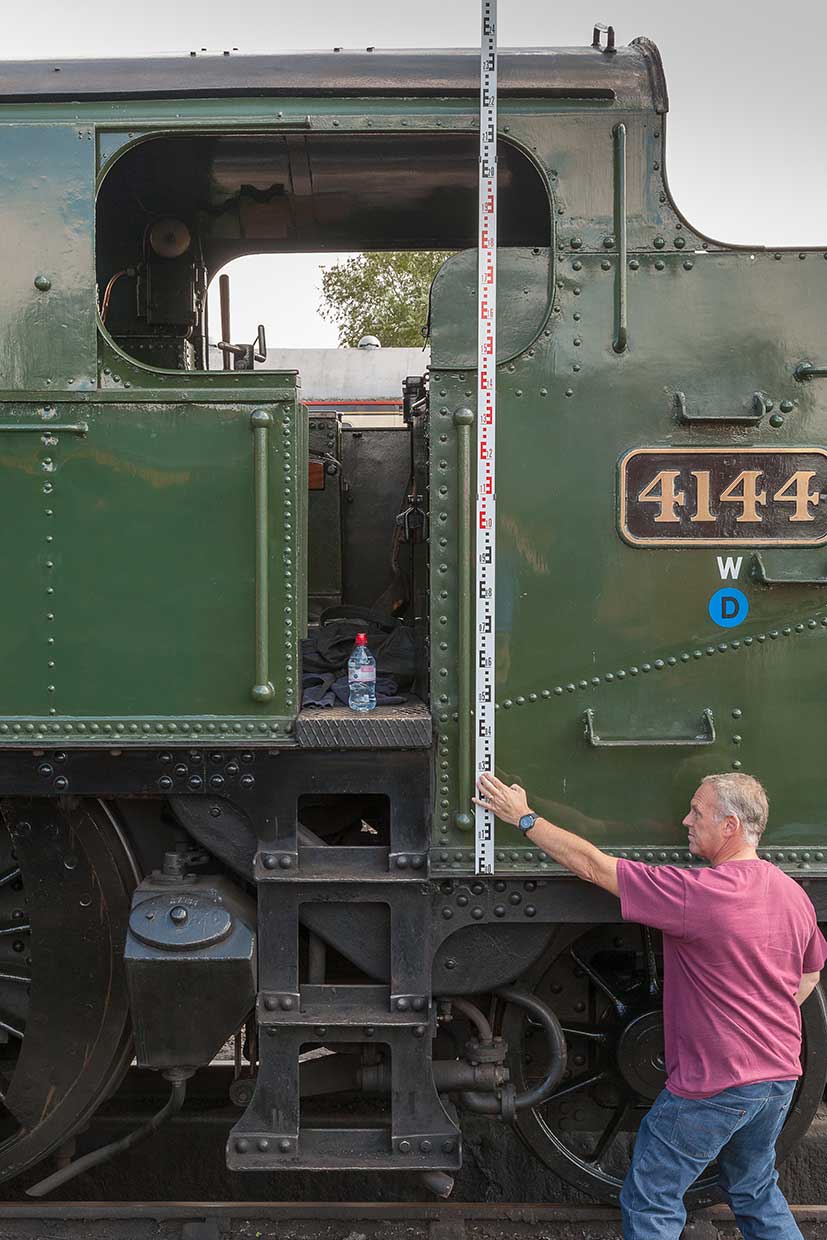
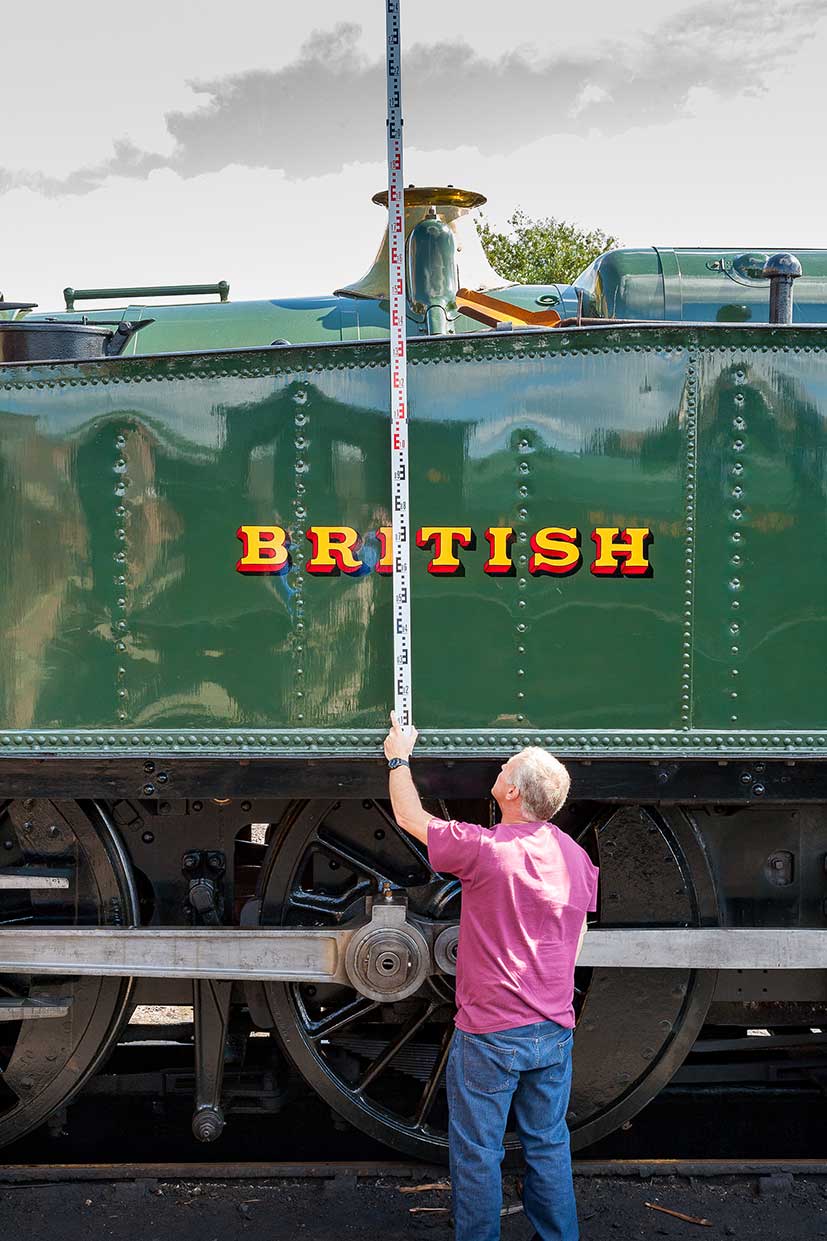
Was it really back in August 2017 that we visited Didcot to measure up 4144?
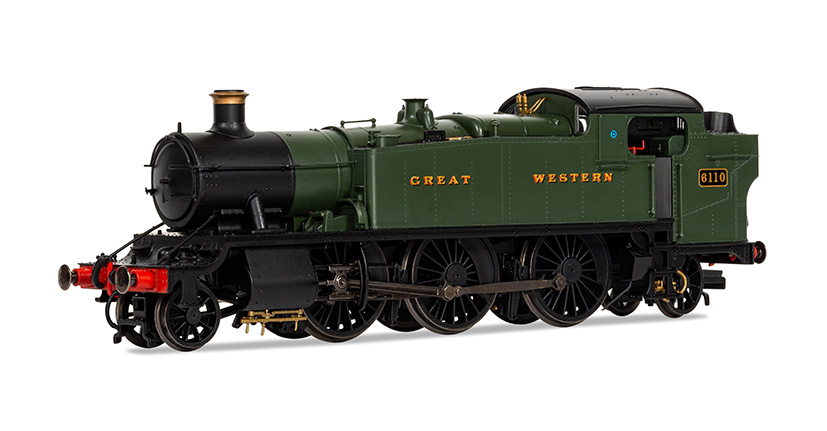
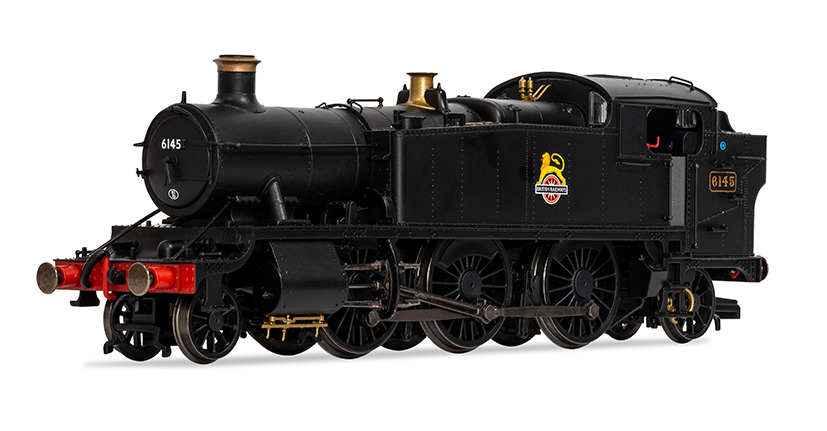
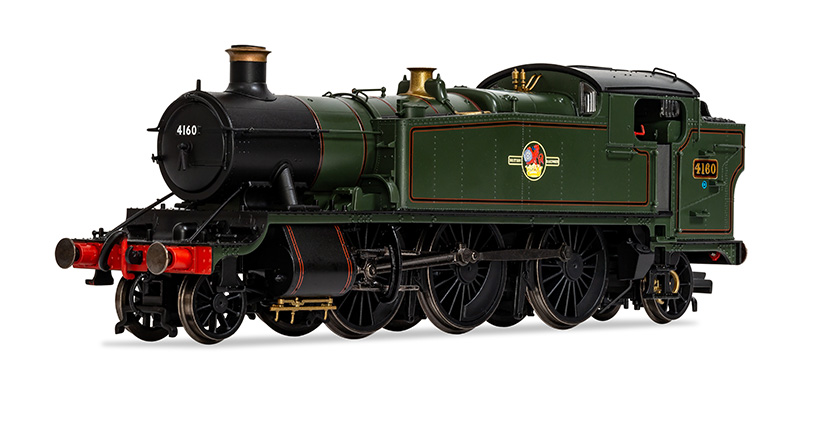
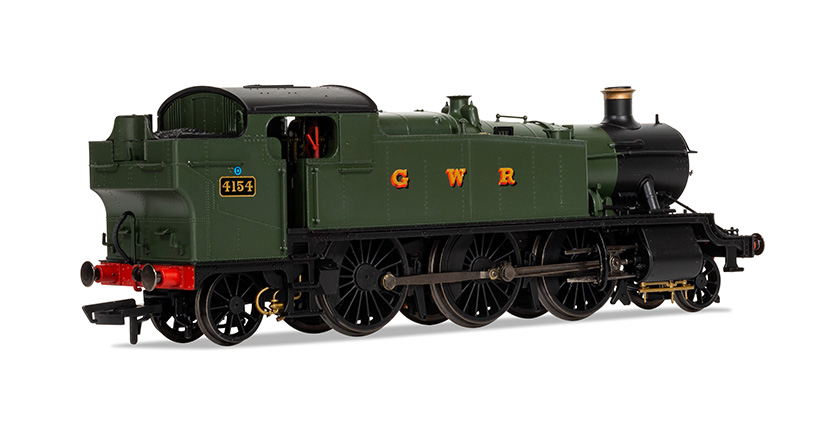
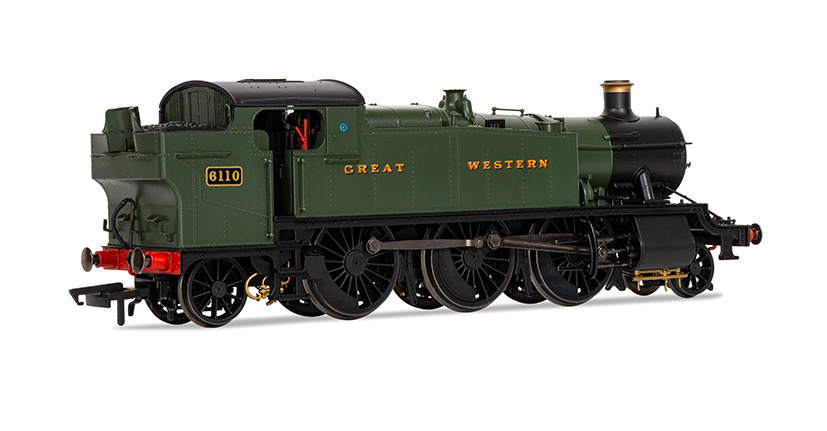
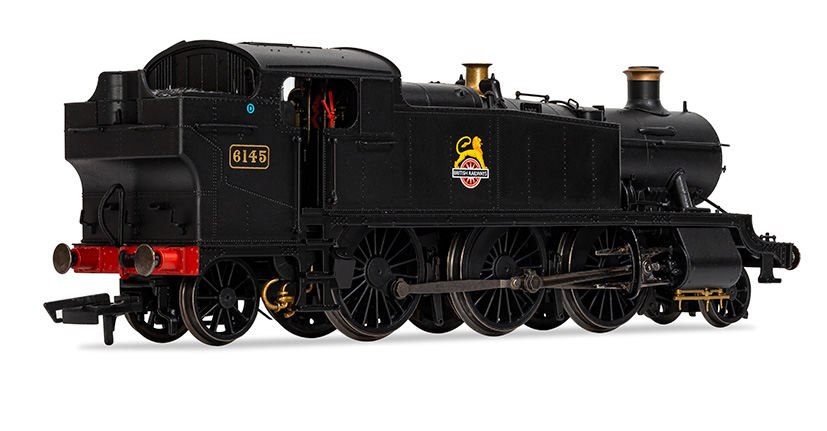
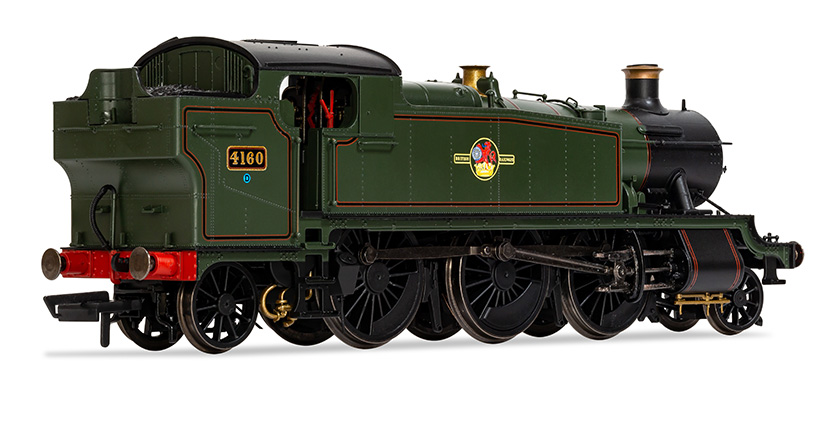
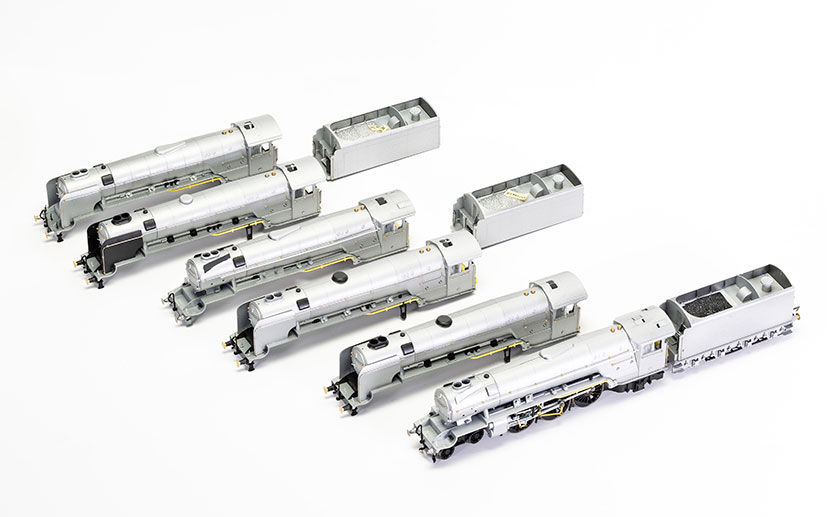
We have a mixed bag of items to share with you this month, including an exclusive peek into our colleagues’ research and development work with Electrotren, but with the arrival of the first shots for our forthcoming A2/2 and A2/3 projects, along with a running sample and body assemblies, we can complete our initial round up of the 2020 new tool projects.
* Please note that the ‘first shot’ and body assembly images that we are showing below represent the first engineering examples that have been received, and as such they do not necessarily represent the final builds of the models, as refinements to the tooling and fit may yet take place and erroneous items may have been fitted to test the build.
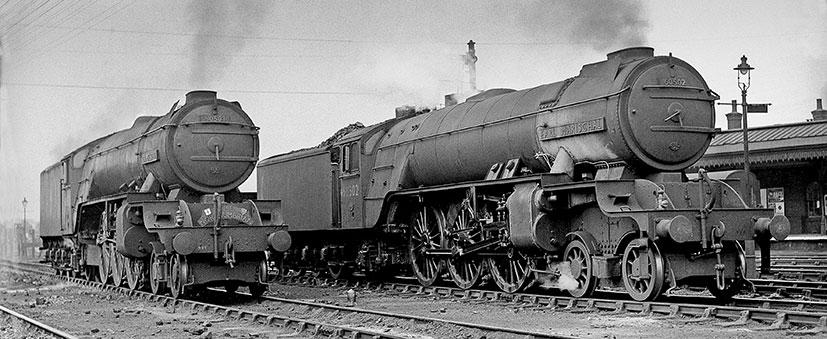
A2/2 60503 Lord President and 60502 Earl Marischal wait to go off shed at Grantham on 5 September 1953. © T.G. Hepburn/Rail Archive Stephenson
With Sir Nigel Gresley’s death on 5 April 1941, he was succeeded as Chief Mechanical Officer of the LNER by Edward Thompson at a time when the LNER were struggling to maintain and run their locomotive fleet under gruelling wartime conditions. Thompson favoured a policy of standardisation in locomotive construction and to promote his idea of how heavy mixed traffic locomotives should be built, in the summer of 1942 he proposed an experiment to convert a 2-8-2 P2 locomotive to a 4-6-2 arrangement. This trial proved satisfactory and free from trouble as far as the LNER Board were concerned and in August 1943 permission was granted to modify the remaining five P2 locomotives in the same manner, creating the A2/2 class.
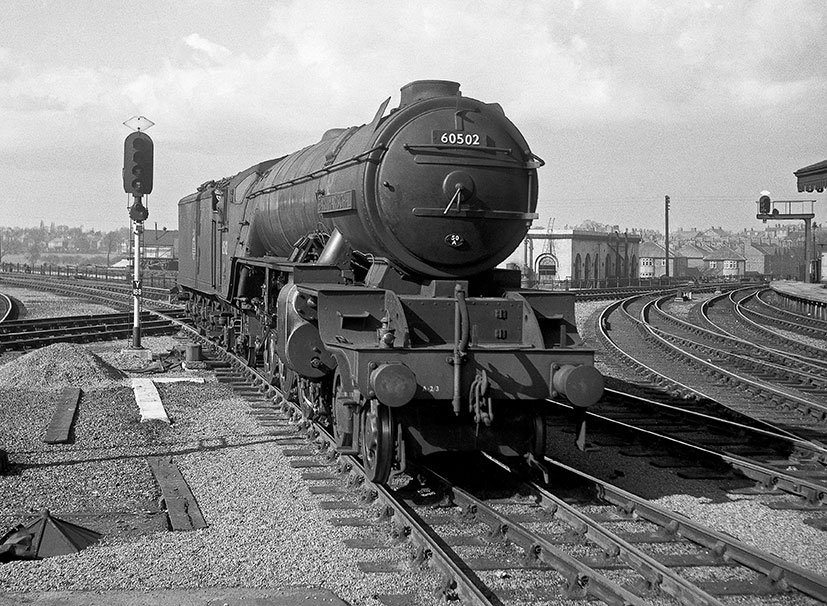
A2/2 60502 Earl Marischal reverses out of York station on 7 April 1953. © R.O. Tuck/Rail Archive Stephenson.
With only six 106A boilers to work with, the lack of spare boilers resulted in lengthy works visits for the A2/2 fleet. To counter this, authority was granted on 9 July 1948 to replace the 106A boilers, as renewals became necessary, with the new Peppercorn issue Diagram 118 boilers that were being fitted to the A2/3s and the Peppercorn A1s.
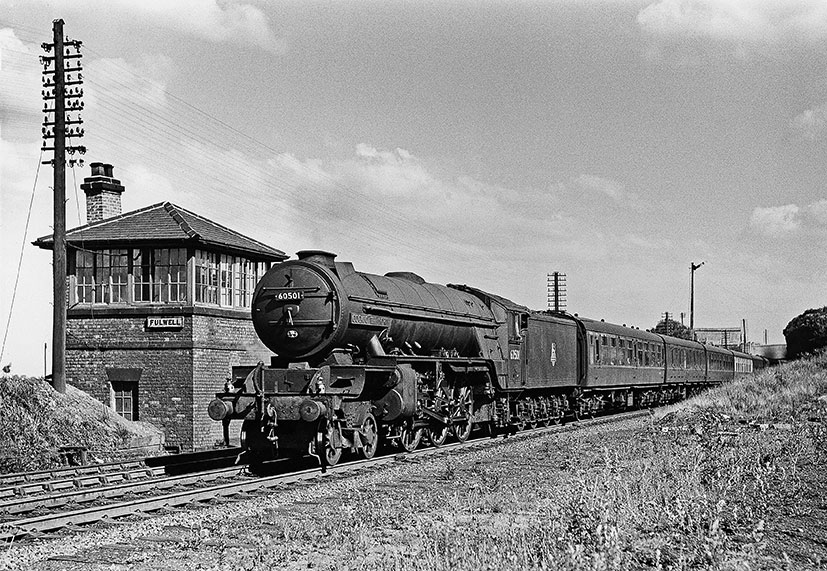
A2/2 60501 Cock o' the North passes Fulwell, north of Sunderland, with a Newcastle express on 1 August 1958. © D.M.C. Hepburne-Scott/Rail Archive Stephenson
These changes took place during 1951/52 and four of the A2/2s were converted: 60501 Cock o’ the North, with the 118 boiler fitted in October 1952, 60502 Earl Marischal in March 1951, 60505 Thane of Fife in March 1952 (with a 117 boiler fitted in September 1957) and 60506 Wolf of Badenoch in June 1952, and it is these locomotives that we have created tooling for, from those dates. Even so, the number of options we have needed to include is quite extensive, from two different cab types covering variations to the side sheets, different handrails, alternative chimneys, a variety of smokebox door layouts, differing lamp brackets and two different tender types, to mention just a few differences.
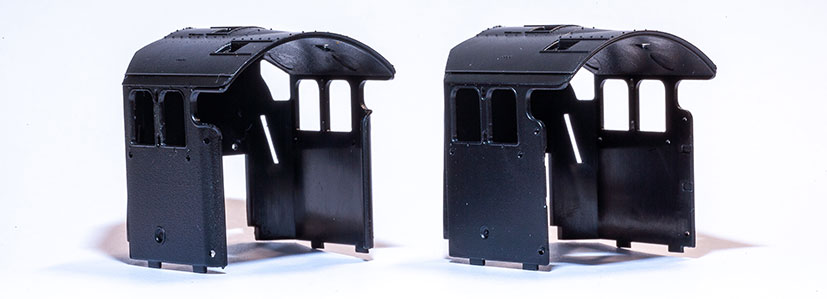
A comparison of the two A2/2 cab types tooled.
For the 2020 range, we are releasing two A2/2 models; R3830 60510 ‘Cock o’ the North’ with early BR emblem and R3831 60505 ‘Thane of Fife’ with the late BR crest, the decoration artwork being covered back in the March edition of Engine Shed.
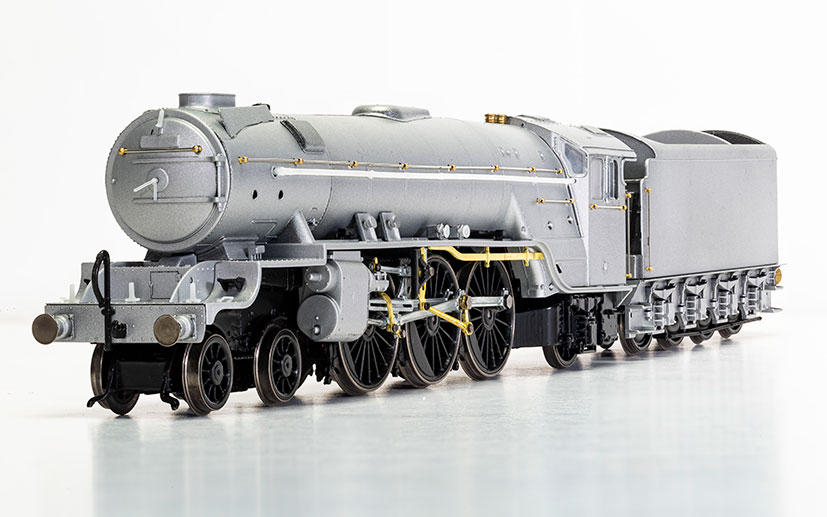
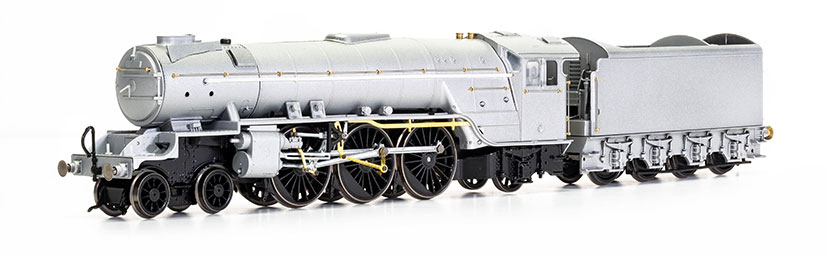
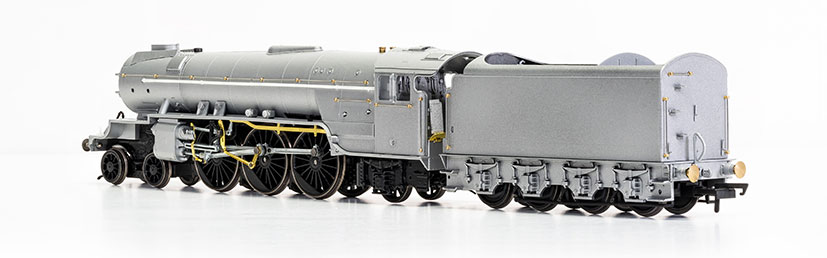
The images above show R3830 60510 Cock o’ the North
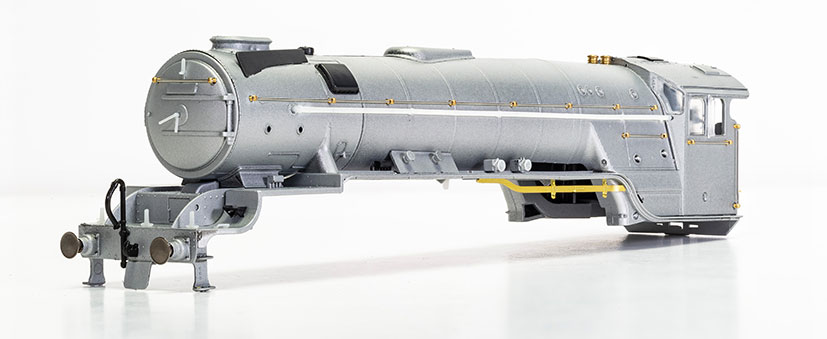
The image above shows R3831 60505 Thane of Fife
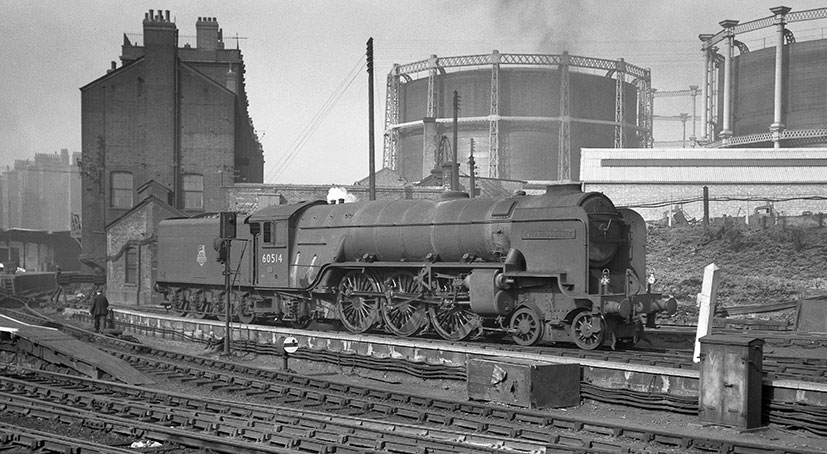
A2/3 60514 Chamossaire waits to leave the engine yard at Kings Cross station on 21 April 1953. © R.O. Tuck/Rail Archive Stephenson
The design of the new A2/3 locomotives was based on that of Thompson’s A2/2 rebuild of the 2-8-2 P2 class, albeit with an increase in boiler pressure and a reduction in cylinder size, and orders were placed for ten locomotives initially, followed by a further five, under Work Orders 378 and 379. Fitted with a new pattern Diagram 117 boiler from Darlington, which differed visually from the P2’s Diagram 106A boiler by having a round dome rather than the more familiar Gresley ‘Banjo’ dome, Thompson reverted to his favoured GNR style flat fronted cab for the A2/3. At the front end, traditional large deflectors were mounted either side of the smokebox, as opposed to the small winglet style deflectors that were in vogue with the LNER at the time.
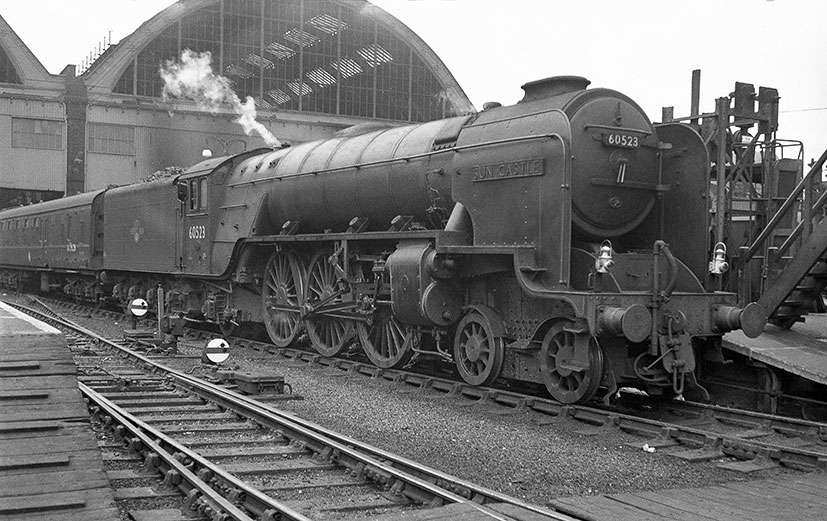
A2/3 60523 Suncastle waits to leave Kings Cross, circa 1960. ©Rail Archive Stephenson
The first A2/3 was completed in May 1946, just a month before Thompson’s retirement and was the 2000th locomotive to be built at Doncaster. Numbered as 500 under the new LNER system, the locomotive deviated from normal LNER naming convention and was named Edward Thompson; the following fourteen locomotives all being named after racehorses in the normal manner.
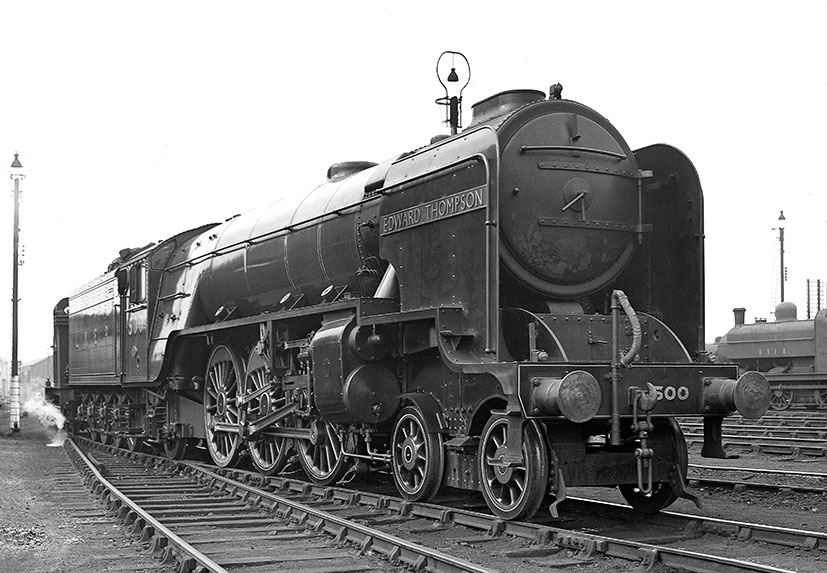
A2/3 500 Edward Thompson at Doncaster shed on June 22, 1946. © T.G. Hepburn/Rail Archive Stephenson
The A2/3 class operated at their most efficient when working heavier loads, but as maintenance conditions and locomotive modifications improved post-war, the LNER/British Railways Eastern Division found itself with more Pacific locomotives than it had top-line services for and so the A2/3 class were often under-utilised. Peppercorn amended the design of the remaining fifteen locomotives from Thompson’s 1945 order, creating his own A2 class under Work Orders 380 and 381 and so the Thompson A2/3s were mainly concentrated at York and Peterborough, relegated to general purpose duties on the East Coast main line.
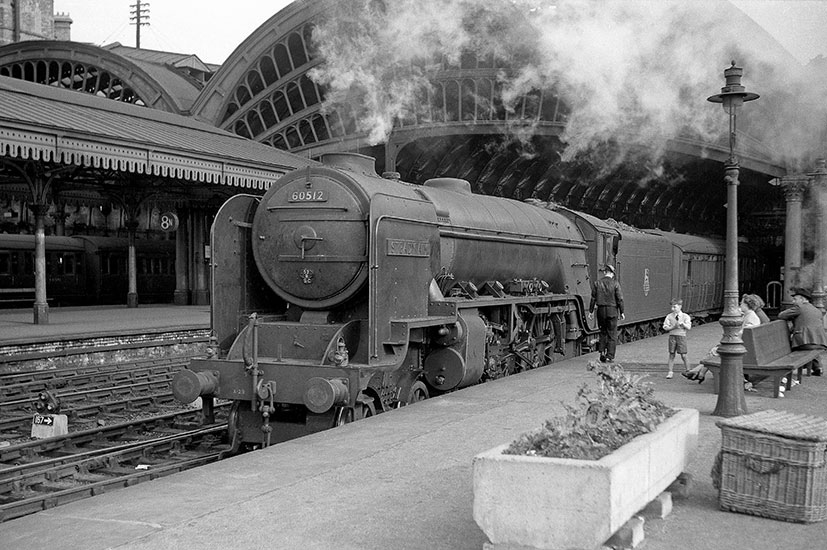
A2/3 60512 Steady Aim leaves York with a down express, circa 1951. © Kenneth Field/Rail Archive Stephenson
From July 1948 onwards, Peppercorn’s lighter Diagram 118 boiler was considered interchangeable with the Thompson boiler and in August 1950 the first swap was carried out. The Diagram 118 boiler reverted to the ‘Banjo’ dome, altering the appearance of the A2/3 considerably and eventually all fifteen of the class carried the new boiler during their lives.
For the 2020 range, we are releasing four A2/3 models: R3832, Class A2/3, 500 ‘Edward Thompson’ and R3833 514 ‘Chamossaire’ in their LNER liveries, R3834 60512 ‘Steady Aim’ with the early BR emblem and R3835 60523 ‘Sun Castle’ with the later BR crest; the decoration artwork being featured in February for 500 Edward Thompson and in March for the remaining three locomotives.
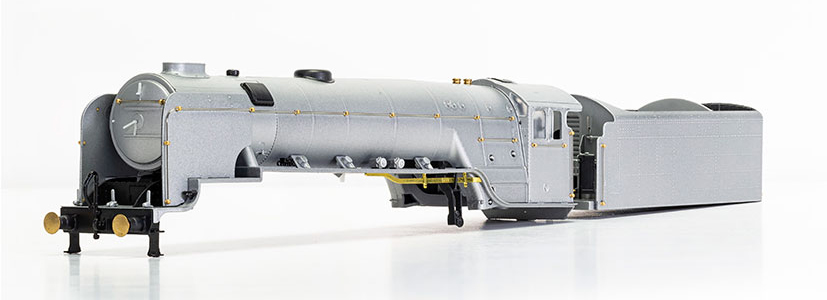
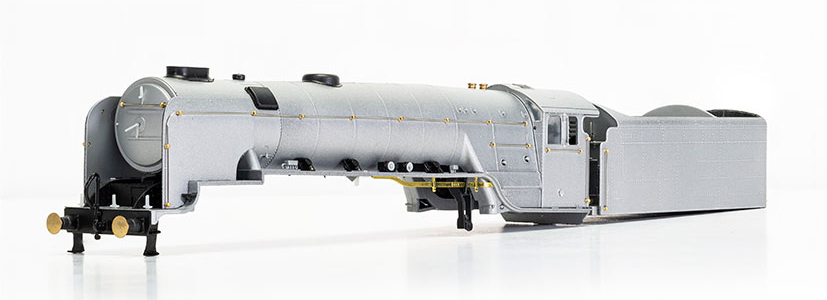
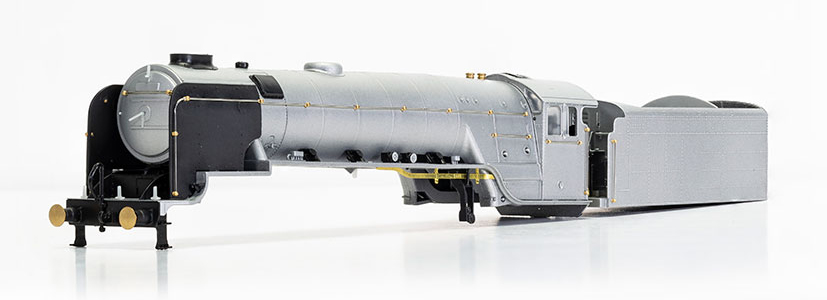
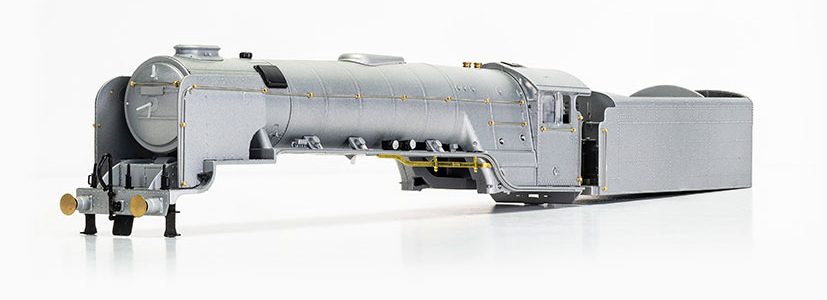
The top image shows the body assembly for 500 Edward Thompson, second down is 514 Chamossaire, third down is 60512 Steady Aim and the bottom image is 60523 Sun Castle.
The tooling options for the A2/3 locomotives are extensive, taking into account both types of boiler and the effect that this had on washout plugs, inspection doors, panels and boiler domes. Different chimneys have been accounted for, along with six different smokebox door layouts and a new 1936 pattern tender has been created to reflect the use of snap-headed rivets in construction, rather than the more usual countersunk type.

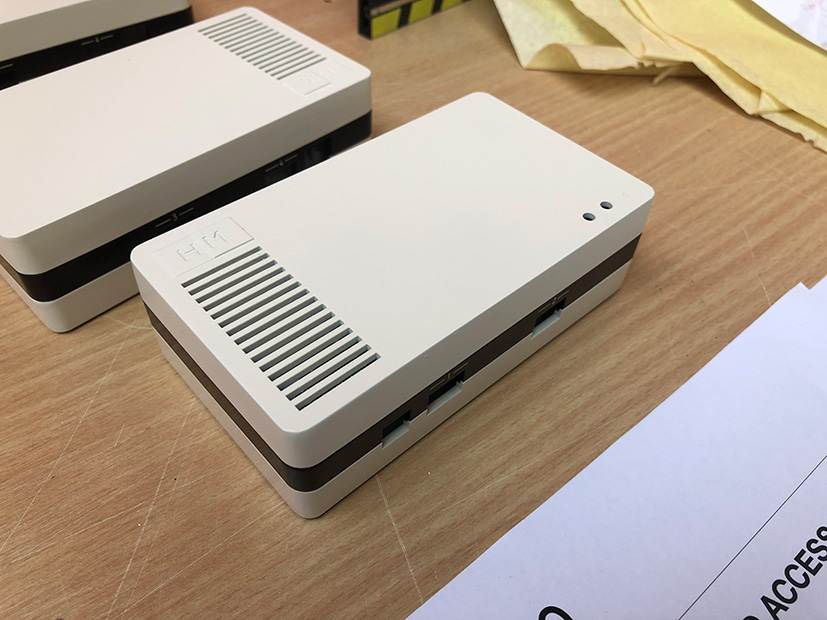
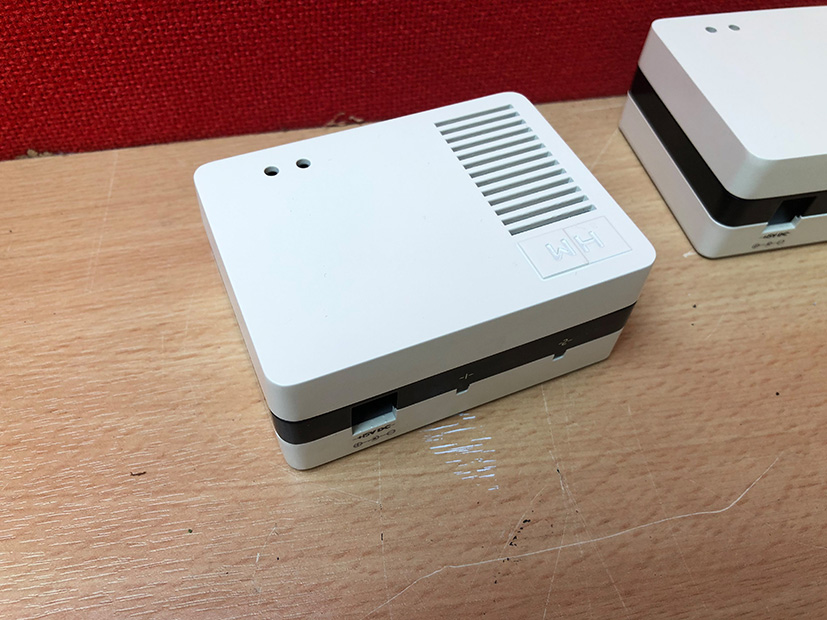
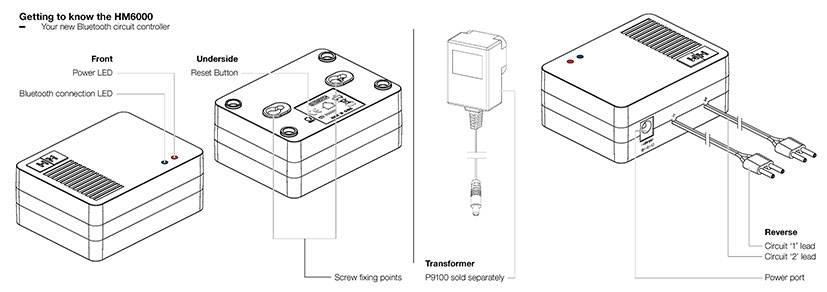
In March’s episode 10 of Hornby’s Signal Box feature, we made an introduction to our new Bluetooth control system based on the R7292 HM6000 Bluetooth Low Energy (BLE) unit and R7293 HM6010 Accessories and Point Control (PAC) unit.
Since then, development and testing of the project has continued, and we are now in a position to update you on the progress of the project as we enter the final phase of development.
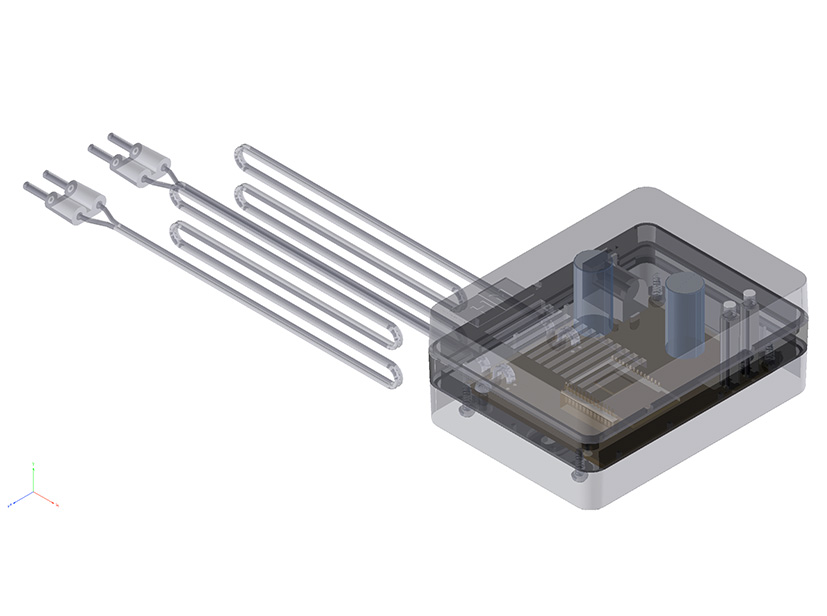
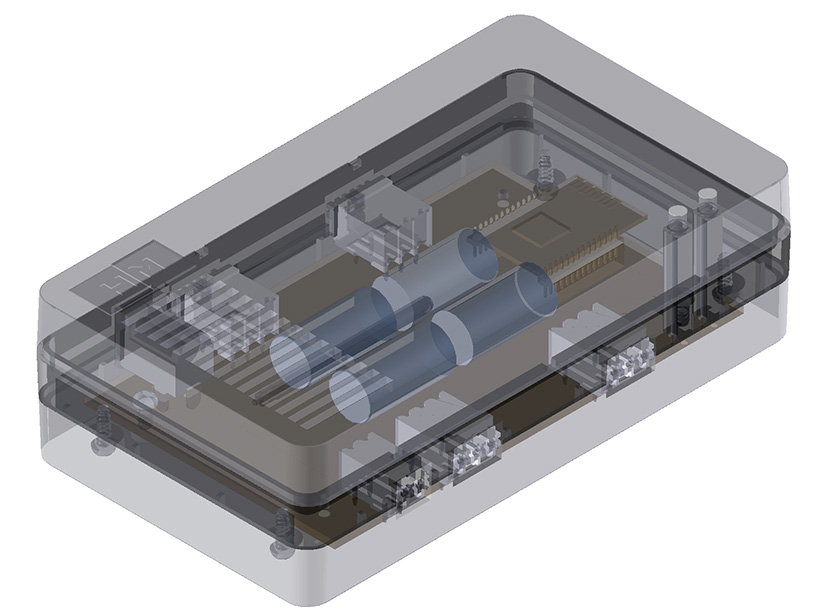
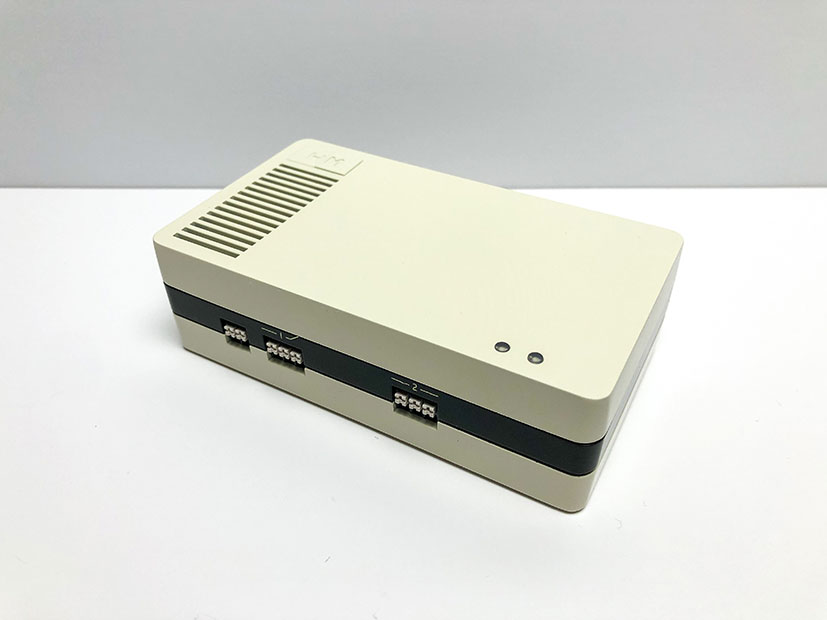
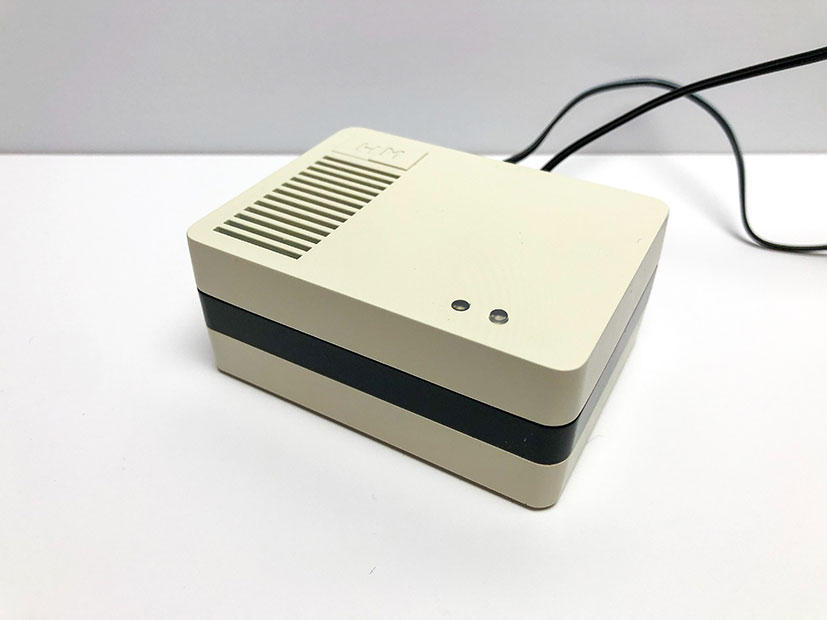
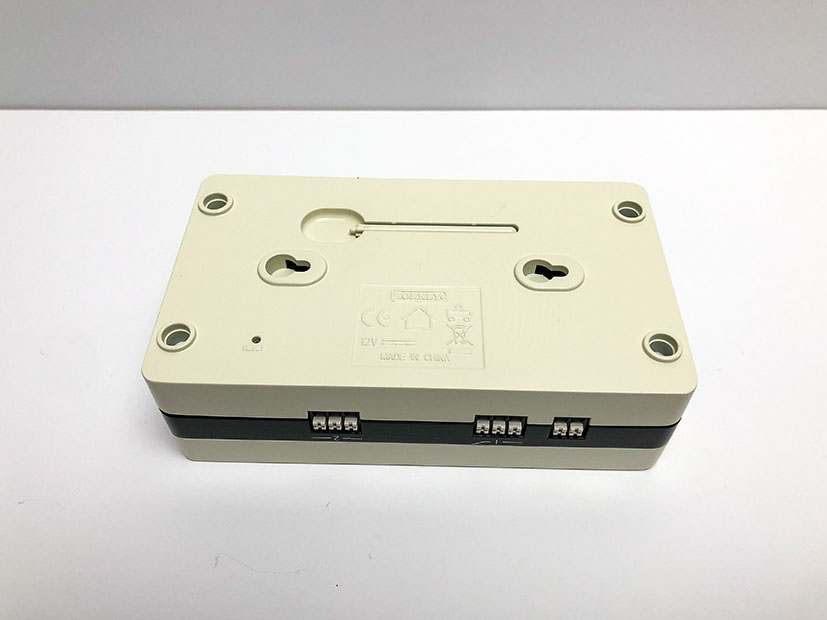
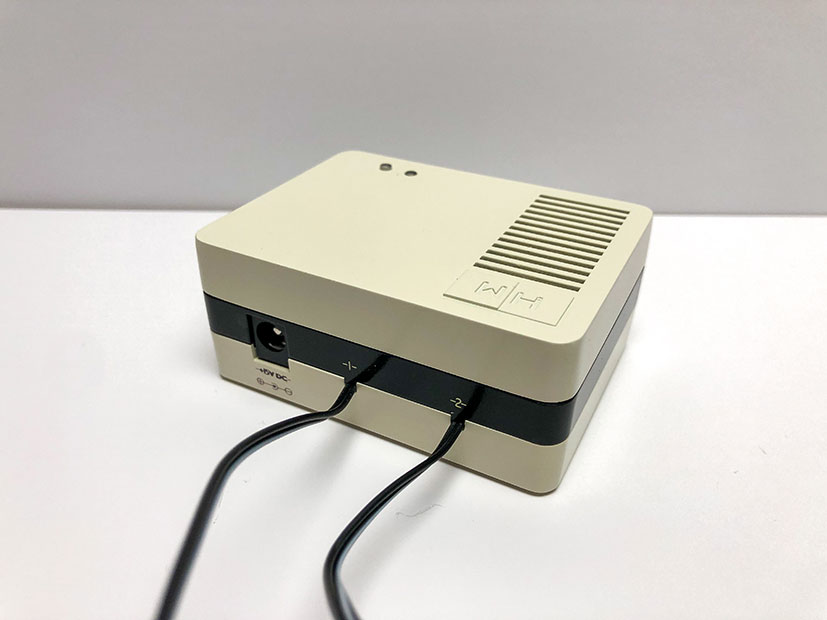
The hardware of the units, being the case and PCB, has progressed and evolved since the catalogue renders were published and now incorporate two lights, with a red light signifying power to the device and a blue light that signifies that the Bluetooth connection is active. A reset button has also been neatly placed on the bottom of the PCB, accessed via a hole so that a paper clip can be used to reset the device. As can been seen by the header images, painted stereos of the new casings for the HM6000 and HM6010 have been assembled, with the final decals created and applied to the mocked up casings, plus CAD for both casings now complete and sent to the vendor, first shots should be arriving with us within the next few weeks.
The PCBs are also fully completed, and we currently have samples being tested. A physical final assembly sample of the HM6000 PCB has been received and fits snuggly into our casing mock-ups and we have now been advised that the final PCB for the HM6010 should be with us in the next week or so. The PCBs are currently undergoing certification and with testing rigs being ordered, this work will commence this week, but the process does take a long time; the Bluetooth certification can take up to 12 weeks to complete, but we are certainly pushing to get this finished well within that period.
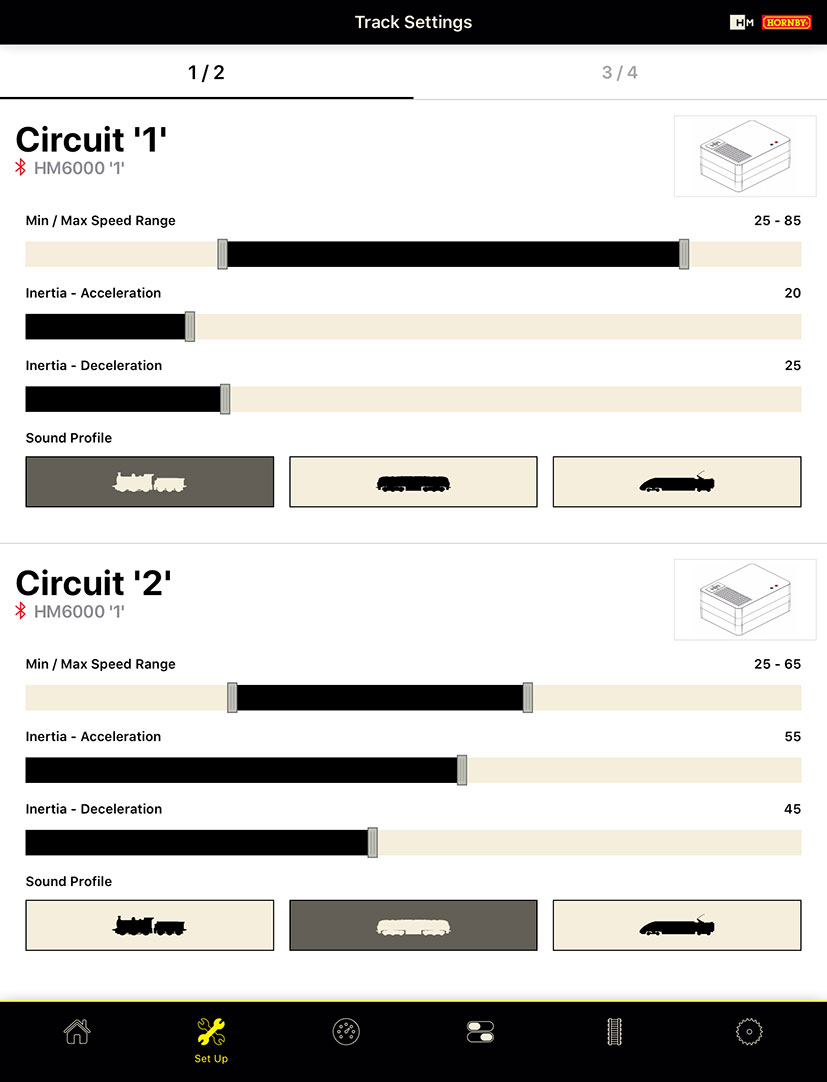
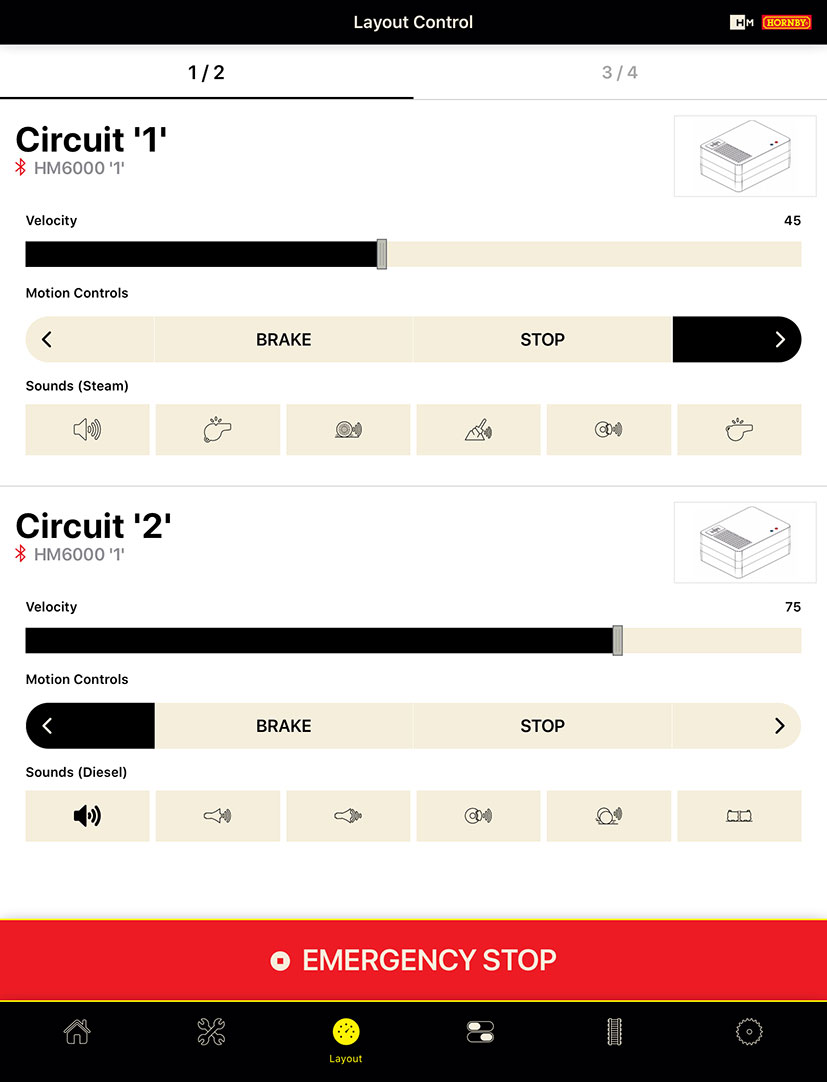
With regards to the software, the application screens are now at their final iteration, which is very exciting, and we now have our final control system in place to allow for full control over circuits and accessories. The connectivity with the hardware has performed flawlessly in testing and works very well, however every new update is being tested to ensure that no bugs spring up.
And now for something a little different for you to, hopefully, enjoy! Our colleagues working for Electrotren in Spain have been working on a number of new tooling projects, among which is the RENFE 596 Series diesel railcar, the first model in Electrotren’s new ‘Hobby’ range of models. Largely equivalent to the Hornby Railroad Plus, this new product range seeks to simplify some elements of the model to offer a product at a keener price point, without sacrificing too much in the way of detail, either physically or in decoration. The 596 series, which are similar in many ways to our own Pacer units, with their sparse interiors and lack of external detail, were deemed to be an ideal prototype to launch the range and so, in the first of what will hopefully become a regular feature, we can bring you up to date with progress on the project so far.

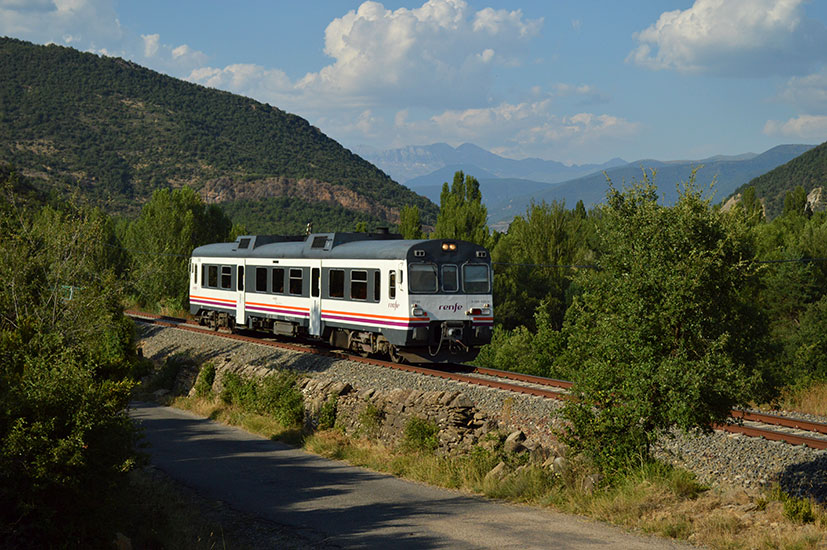
Regional 15653 (Canfranc to Zaragoza Delicias) between Sabiñánigo and Santa María y Peña stations © Álvaro Arrans
At the end of the 1970s, RENFE commissioned the construction of a series of FIAT diesel powered trains that were manufactured in Spain by CAF and Babcock & Wilcox and these three-car trains were delivered between 1982 and 1984, forming the 63 units of the 592 series. Due to the low reliability of these vehicles, mainly due to problems with their mechanical transmission and gearbox, all of the units were either decommissioned or sold by 2009. With the decommissioned units, RENFE built a new series of single-car motor vehicles, the 596 Series, by using the two outer cars of each three-car unit and adding a new driving cabin at the end that lacked one.
Due to the low reliability of its predecessors, RENFE introduced improvements to the new trains in their transmission system, particularly the area of the system that coordinated and synchronised the gears and clutches. The passenger compartment of each vehicle was heavily modified, with all the work being carried out at MIT RENFE TCR (now Integria), in Valladolid. Initially, the first six units built retained the look of the 593 trains, but later units had a new fibre fairing fitted that gave them a more modern appearance.
The 596 Series have mainly performed Regional and Regional Express services, on low-demand lines (such as Granada to Linares-Baeza, La Coruña to Ferrol, La Coruña to Monforte de Lemos, Madrid Chamartín to Soria, and Zamora to Puebla de Sanabria) or have been used as reserve trains on lines subject to a greater demand, such as Lérida to Puebla de Segur, Murcia to Cartagena and Sevilla Santa Justa to Osuna. Currently the services performed by these units are Murcia to Cartagena, Zaragoza Huesca to Canfranc and Vigo to Valença do Minho. They are also used as reserve units on the Vigo to Pontevedra service.
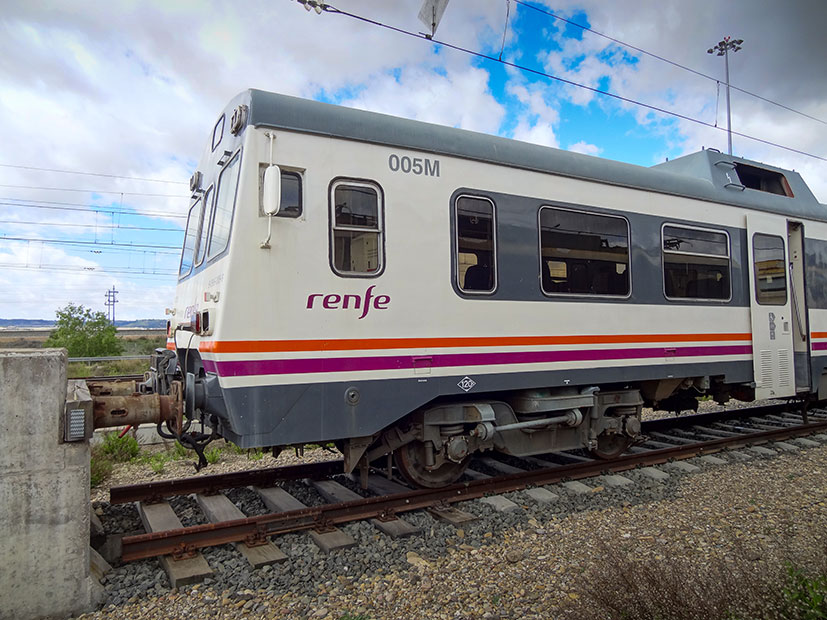
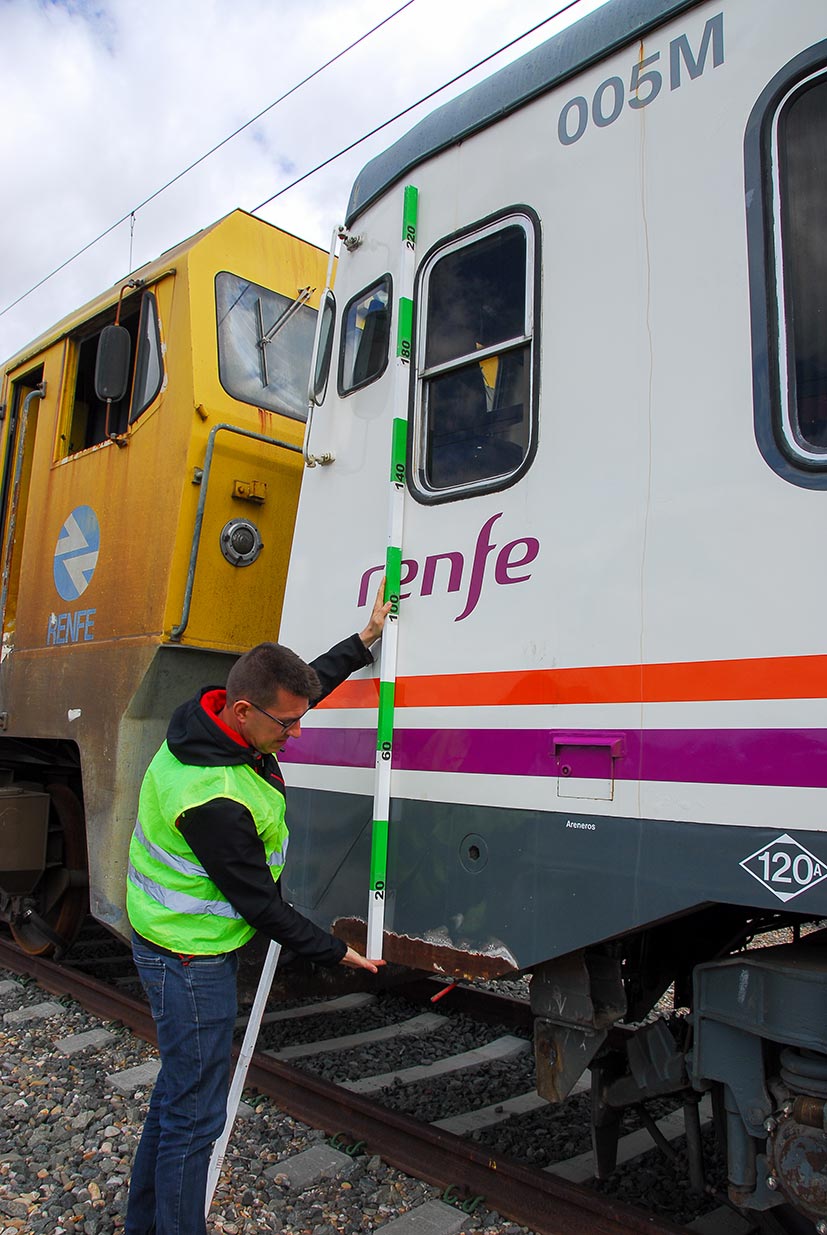
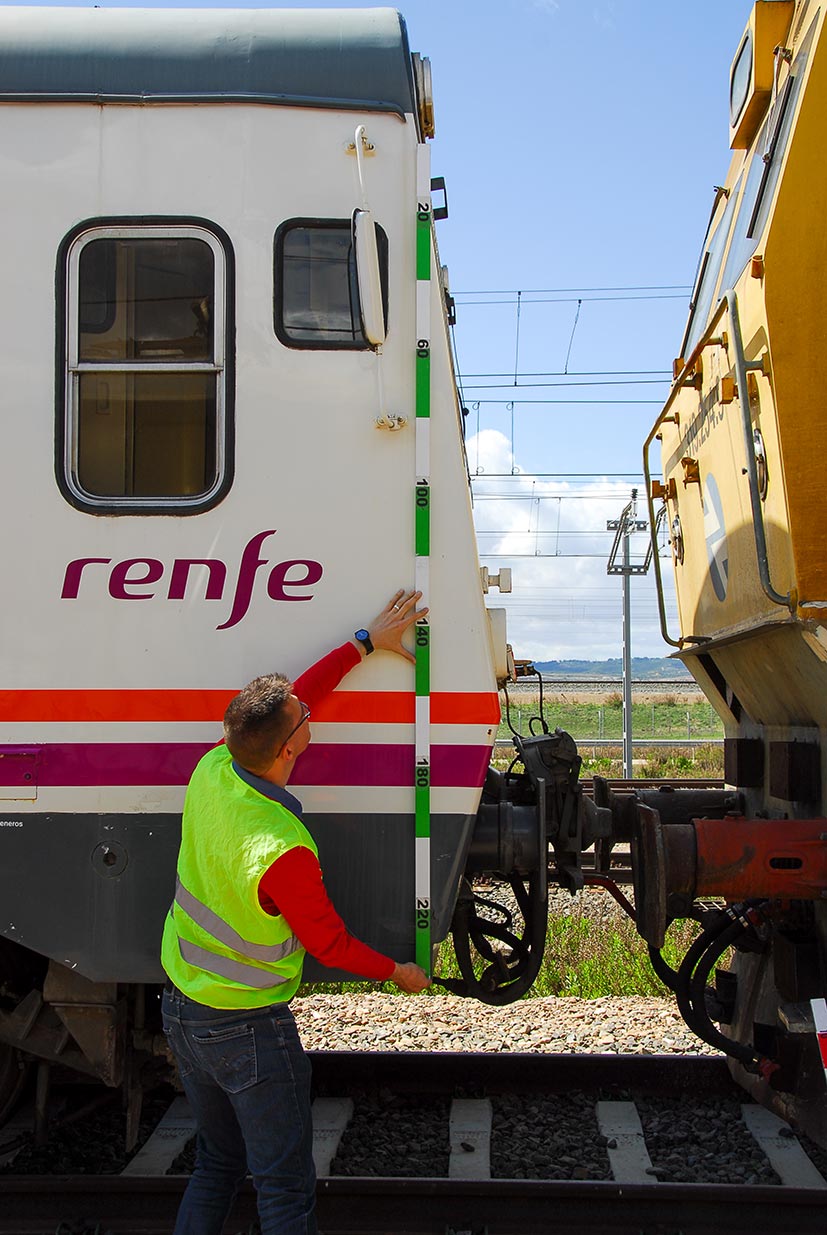
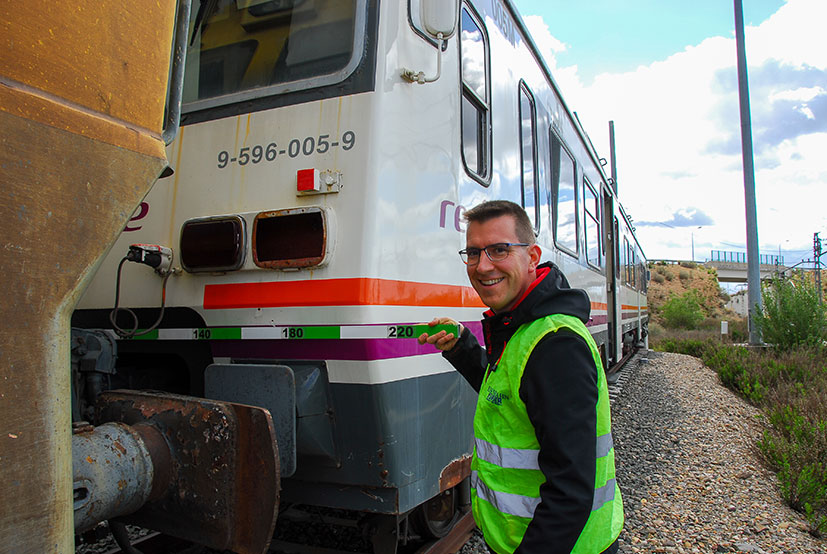
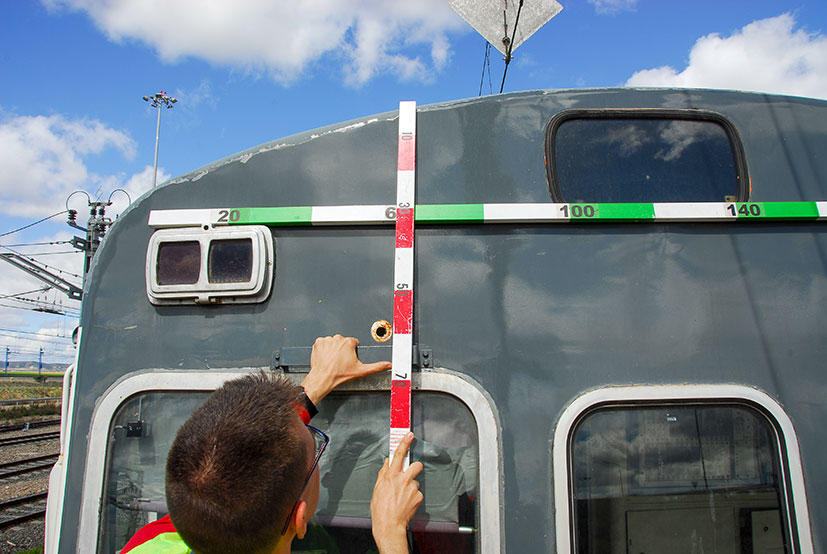
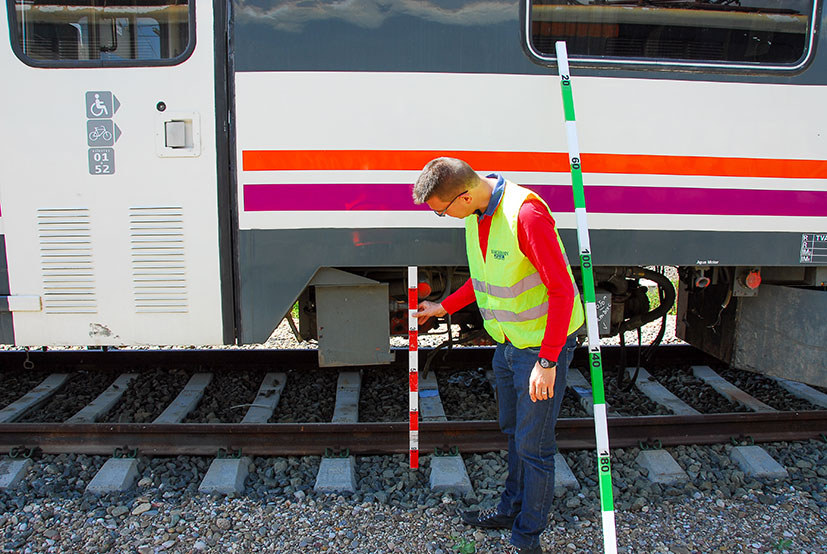
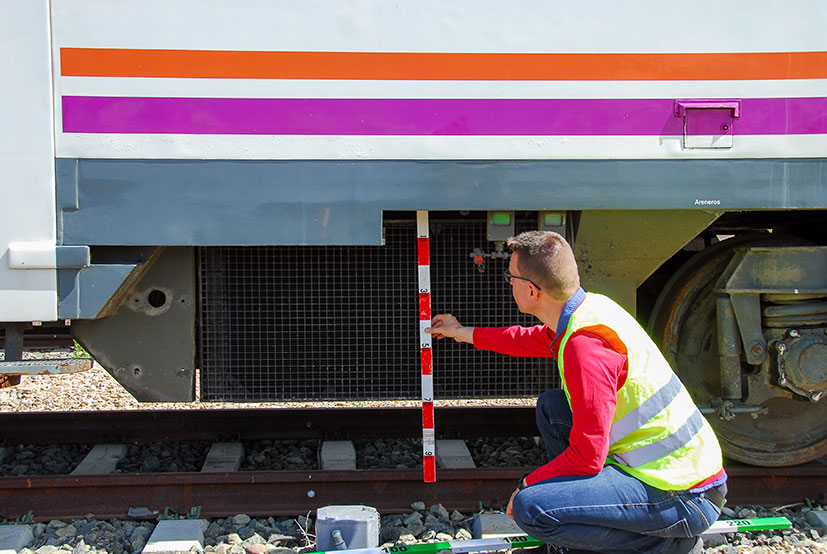
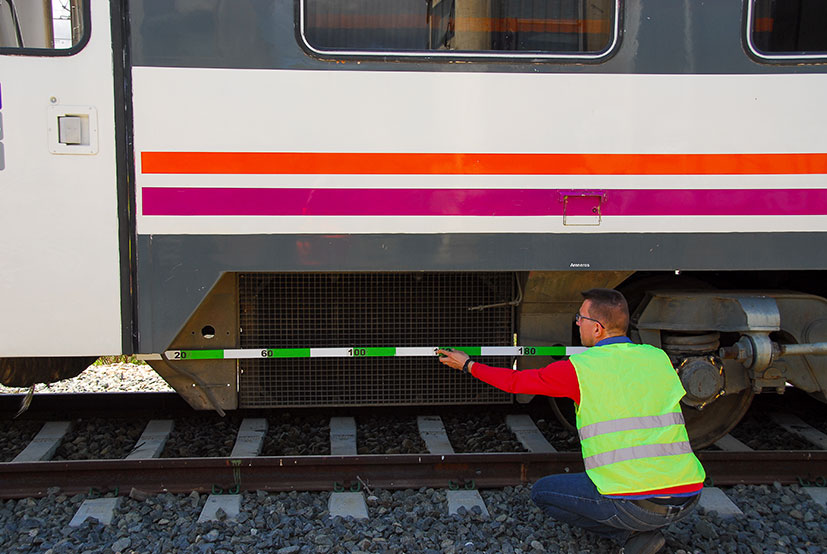
Electrotren has previously made the three-car RENFE 592 series, a unit built to the same design as the 593 series, but by MAN, and which introduced more reliable hydraulic transmissions than the Italian model, but this model represents the first time that a 596 Series model has been produced.
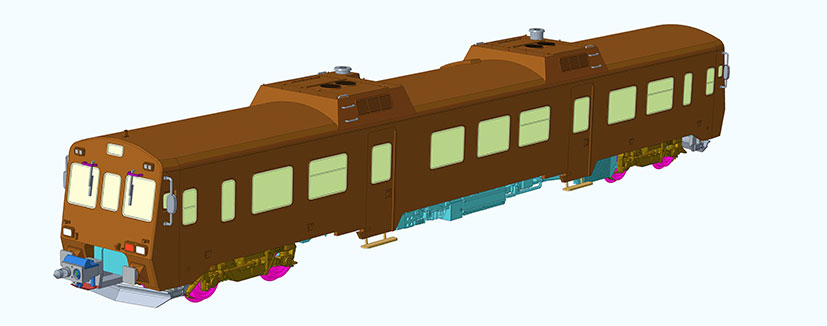
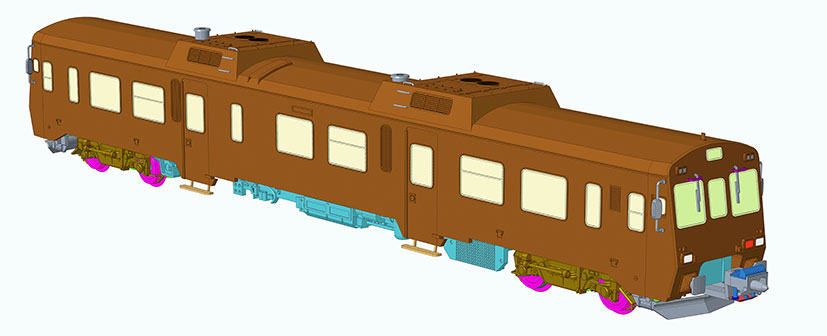
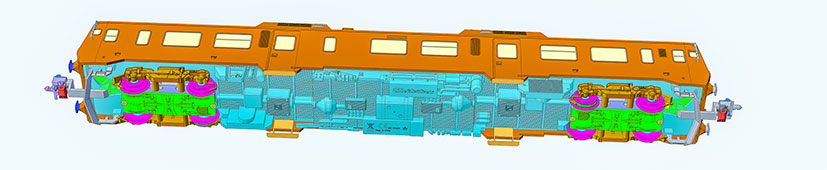
With the 596 Series being designed to be able to operate in two or three-car units, Electrotren have created a kinematic coupling system using a functional Scharfenberg coupling, which allows for easy connection to another vehicle and with that in mind, two versions of each livery, with different vehicle numbers, will be available. The models are DCC ready and have been designed with the fitting of a sound decoder in mind, as well as having operational directional lighting.
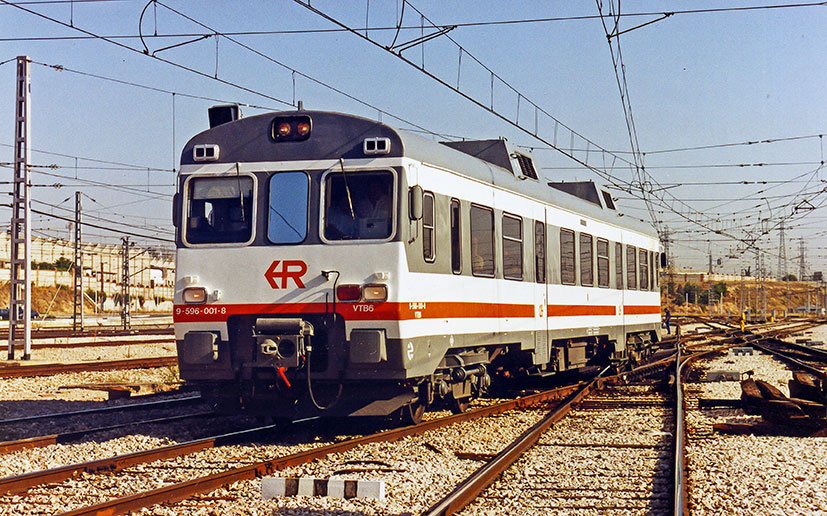
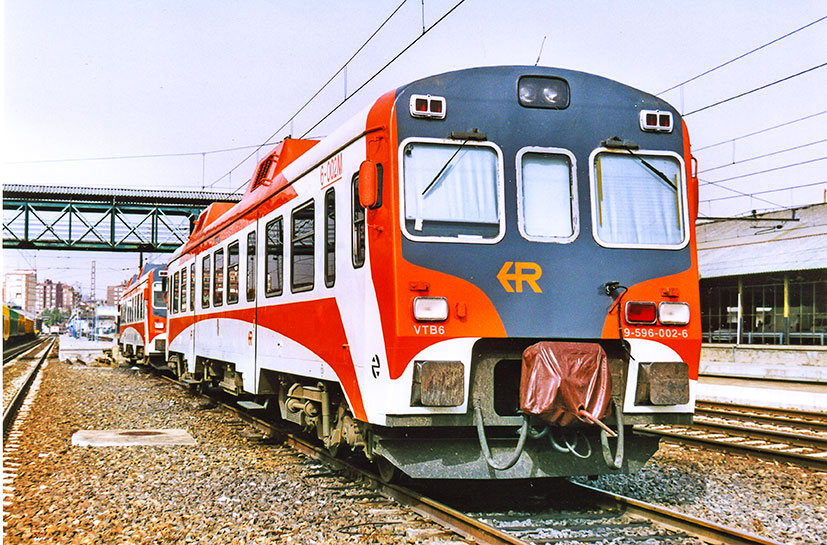
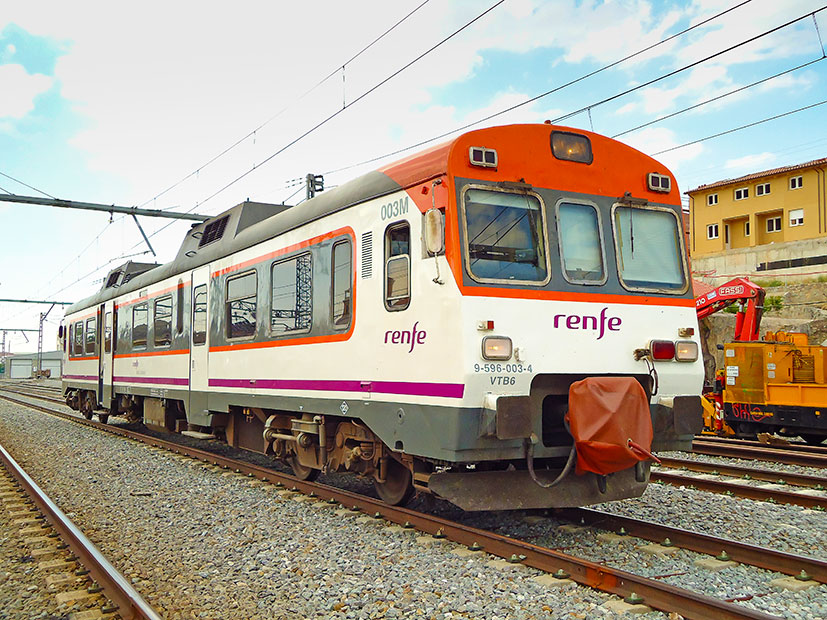
Three different livery versions of the RENFE 596 Series are planned, each with two different running numbers.
HE2500A/B represents the original version following refurbishment.
HE2502A/B represents the ‘Regionals’ livery, perhaps the most striking of the three.
HE2504A/B represents the current livery of these units, as used by RENFE Operadora.
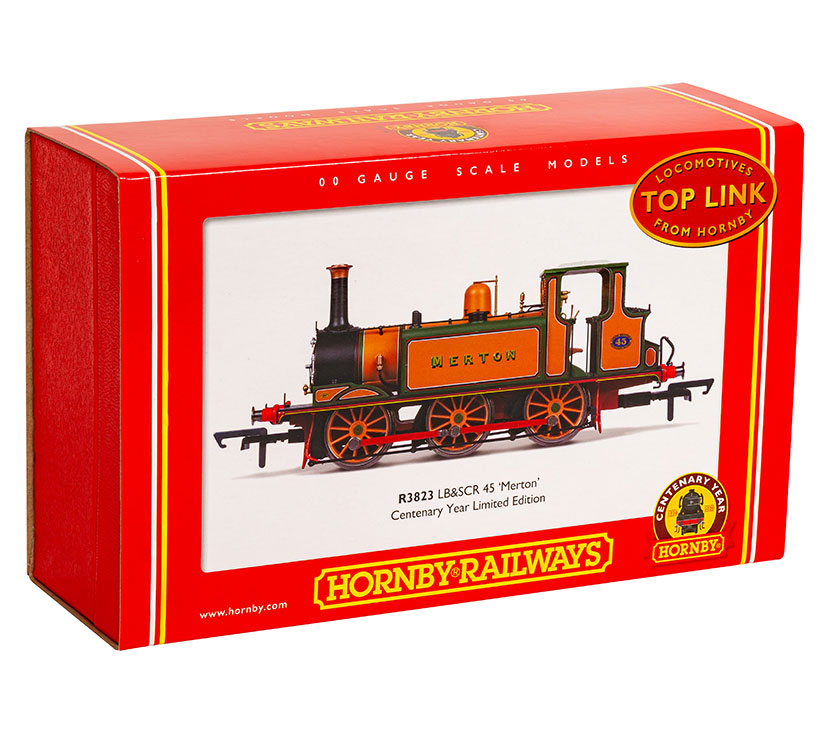
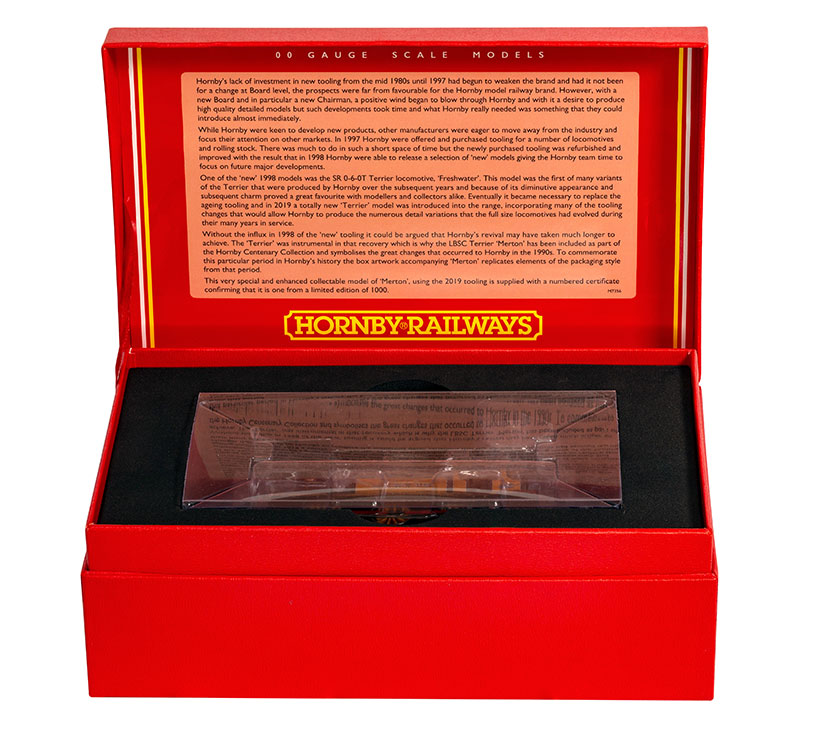
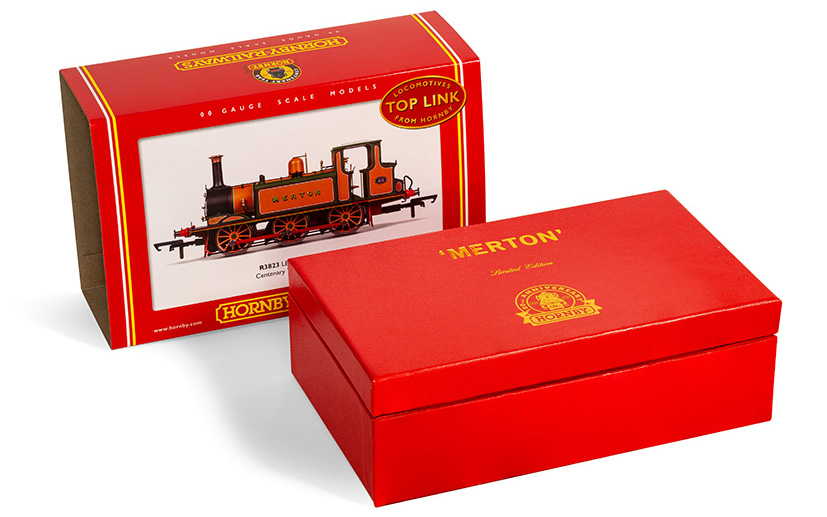
To round off this month we have new product images for two classes of locomotive, at opposite ends of the size scale, that we would like to share with you, beginning with our 2020 range of William Stroudley’s 0-6-0 Terriers: R3845, R3846, R3847 and the Centenary Year Limited Edition R3823.
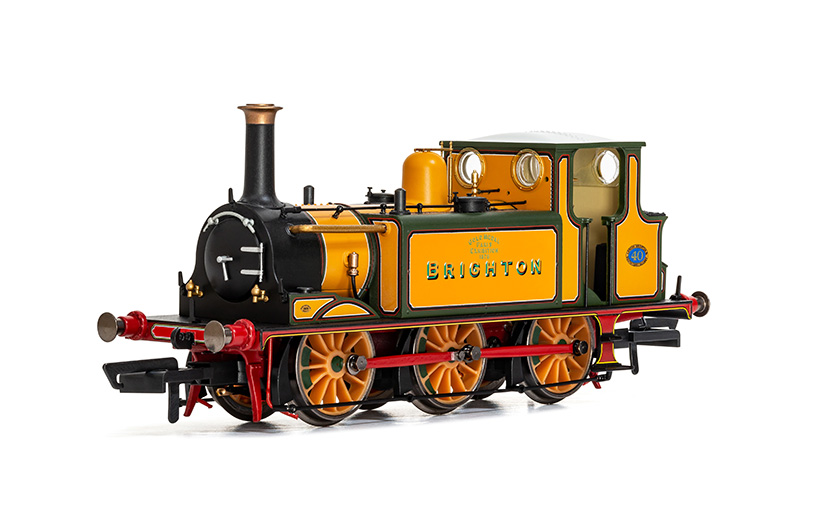
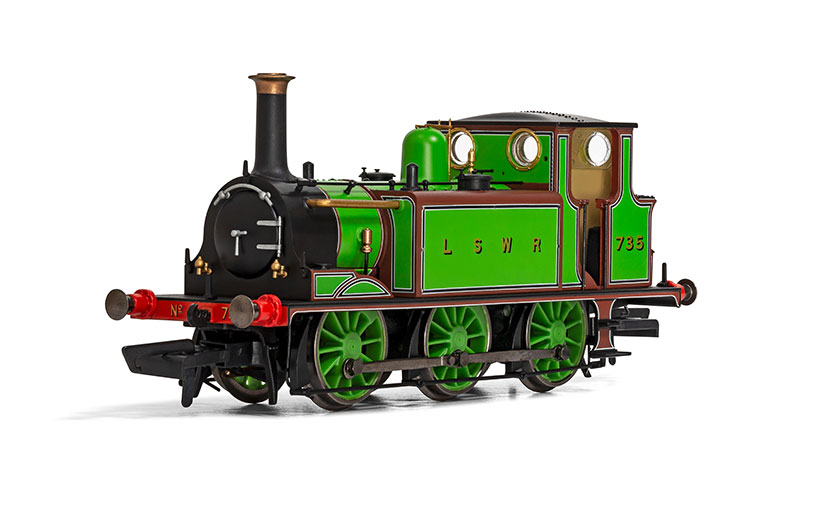
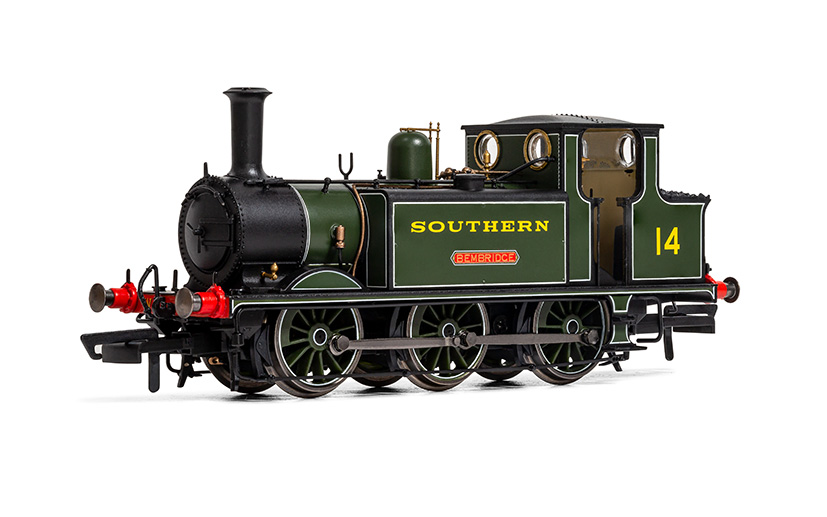
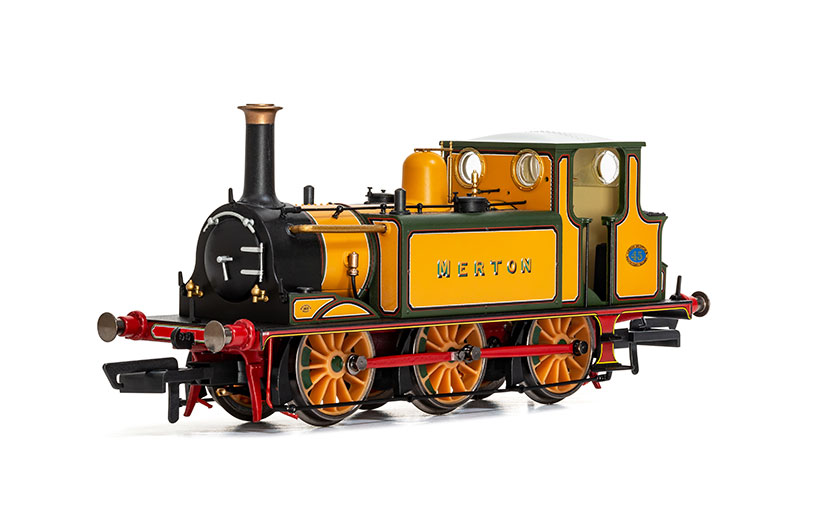
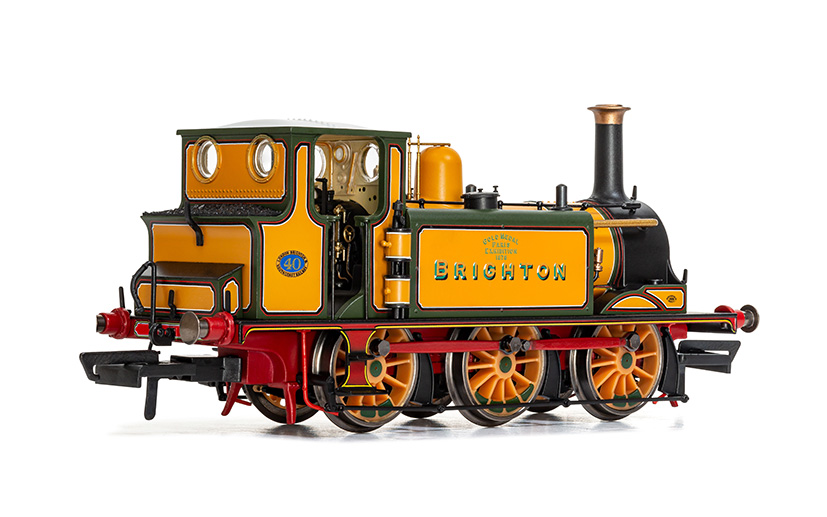
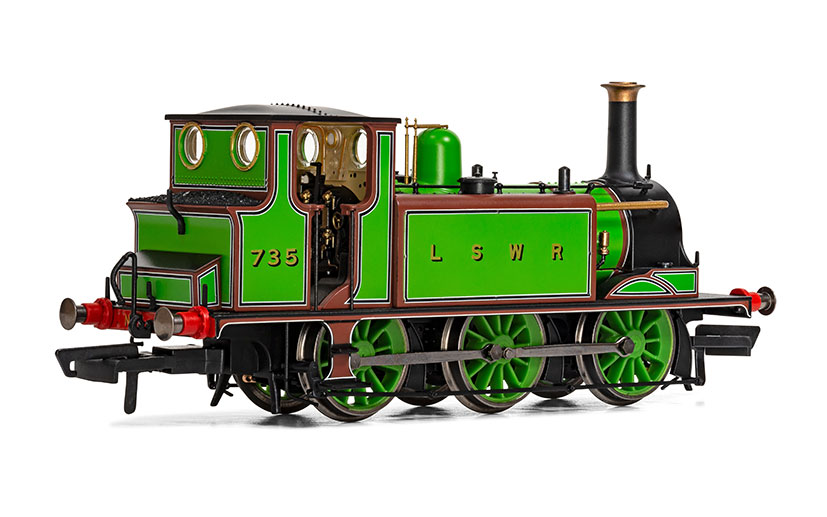
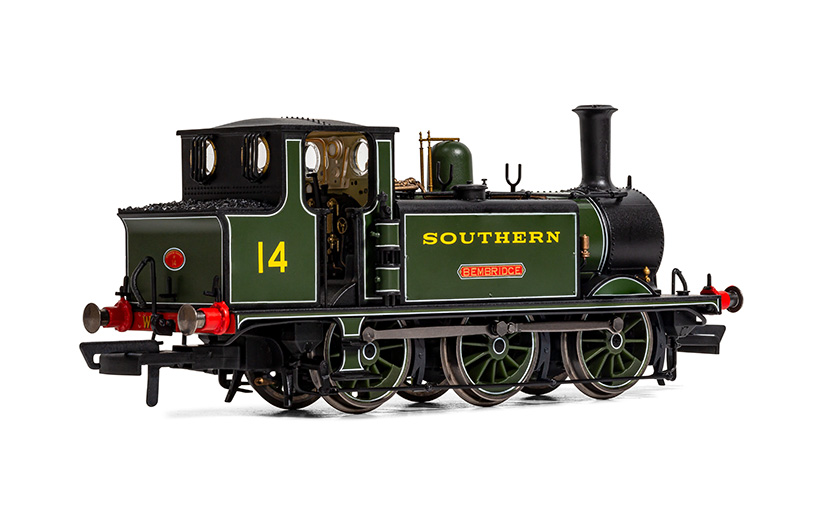
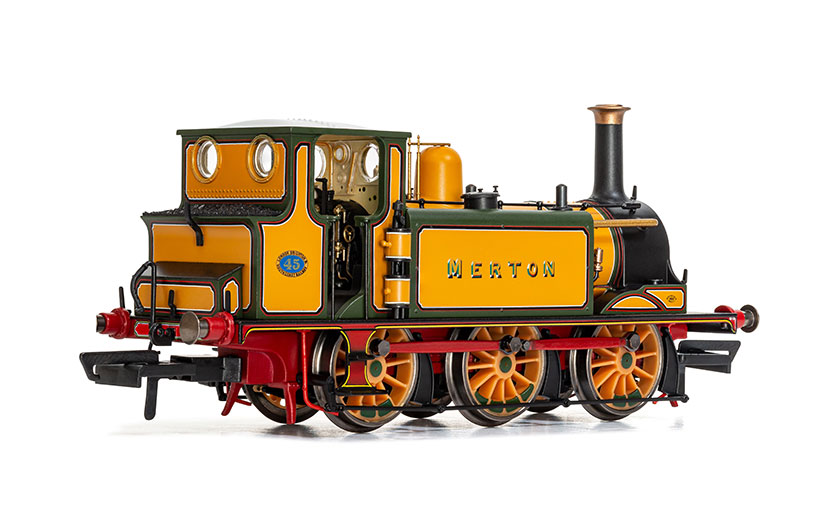
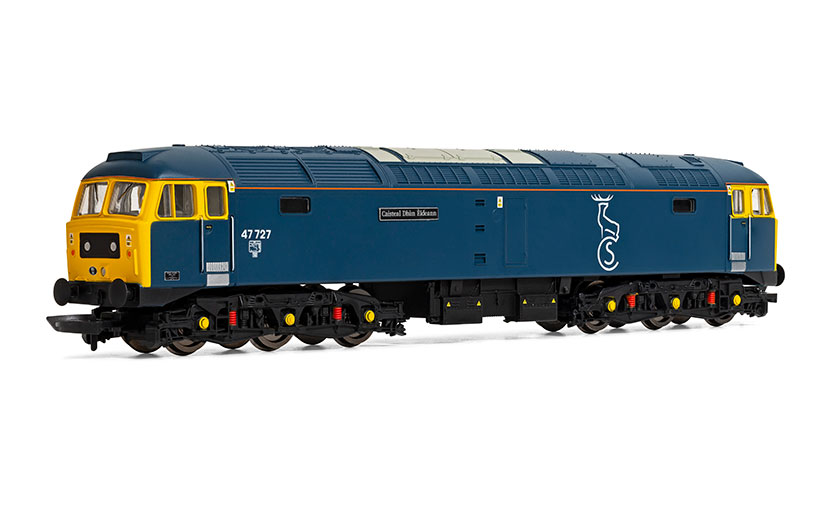
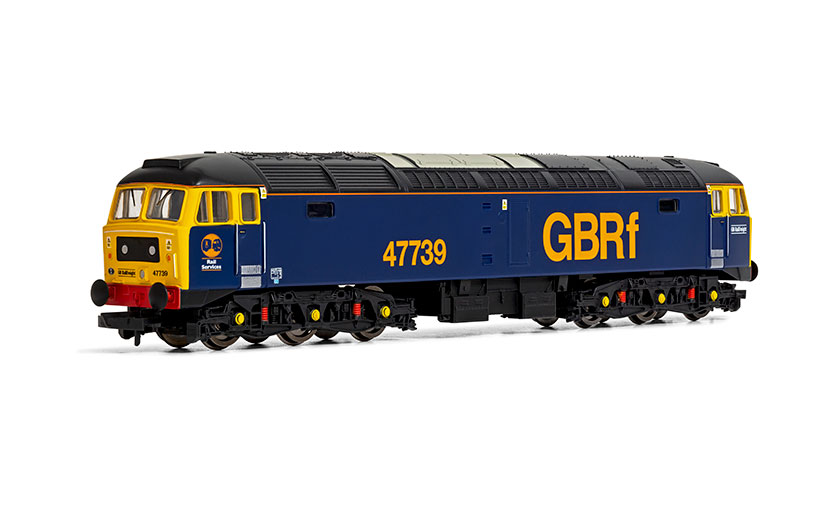
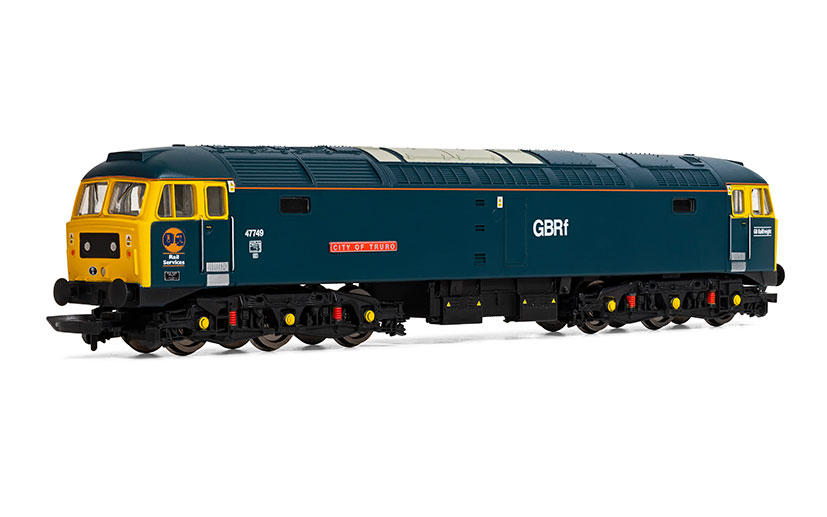
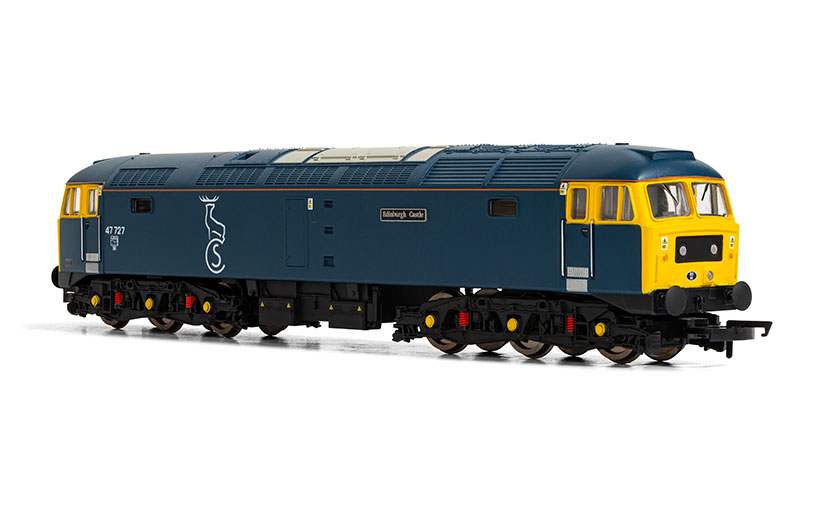
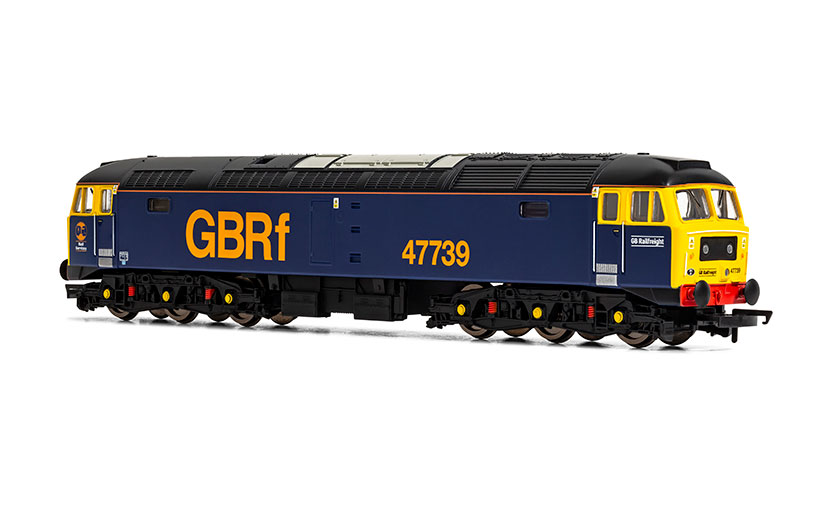
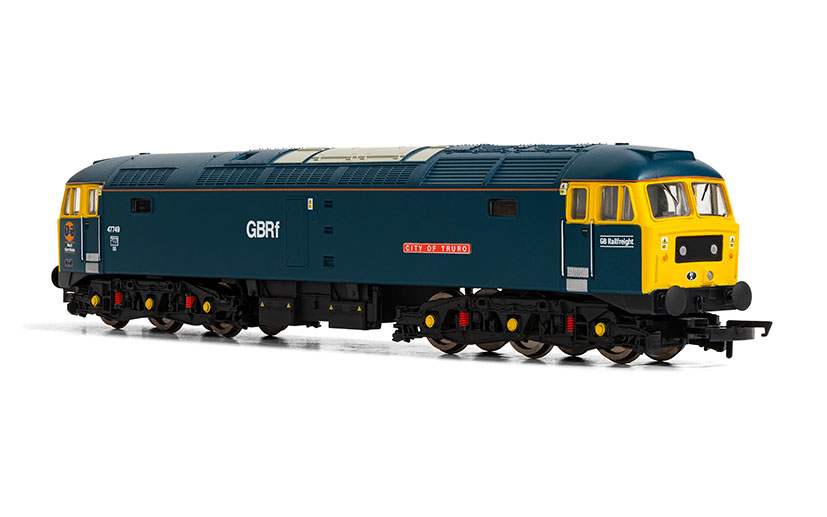
At the other extreme, we have new images of the three GBRf Class 47 locomotives that feature in our livery enhanced Railroad Plus range: R3905, R3906 and R3907.
The next regular edition of the Engine Shed will be with you on the 17th July where, as part of the #Hornby100 social media theme for July, we will take the opportunity to look at the development of some of the items that feature in the 2020 Hornby Centenary Commemorative product range. We also hope to be in a position to update you on progress with some of the new tool items from the 2020 range, as well as unveiling livery artwork and (hopefully) some engineering and decoration samples.
In the meantime, to prevent any chance of boredom during the school reduced timetable period and holidays, we have created the Hornby Kids’ Zone to keep your young railway enthusiasts (and some older enthusiasts as well, if some of the entries are anything to go by) out of mischief. There is a new Freestyle Drawing Competition to enter, as well as a wealth of new colouring sheets that have recently been added and there will be more activities to come soon!

If you have any feedback from this edition of the blog, please do pass your comments on to us through Facebook, Instagram or Twitter, or via our Official Forum.
Best wishes to you all, stay safe and healthy.
The Engine Shed team
Return to Engine Shed homepage
© Hornby Hobbies Ltd. All rights reserved.

