


Tracks of change
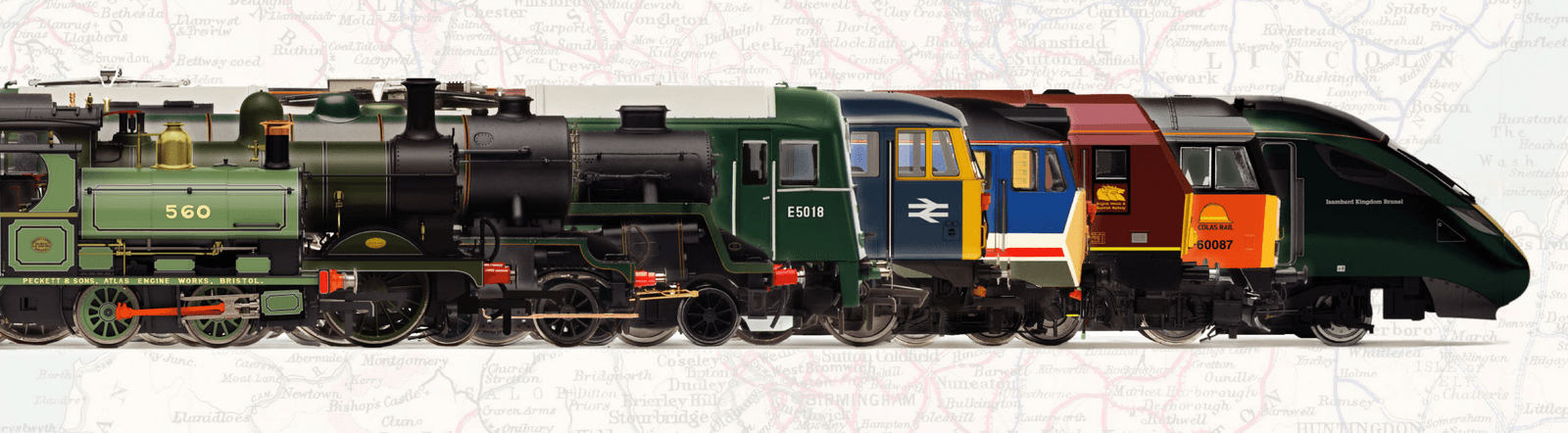
The operation of the railway network in the United Kingdom has evolved greatly since the 1826 Liverpool & Manchester Railway Act, which engendered the 'railway mania' of the pioneering local regional companies in the Victorian era and their eventual consolidation that occurred towards the end of the 19th century. Then came the emergence of the 'Big Four', followed by Nationalisation, Sectorisation, Privatisation and finally, the modern day Franchising arrangements.
ERA 1 (Pioneering) 1804-1869
Covering the period from Trevithick’s first locomotive-hauled railway journey, through the rapid expansion and ‘railway-mania’ of the mid-Victorian era railway network.
ERA 2 (Pre-Grouping) 1870-1922
A period of proliferation on Britain’s railways, as passenger numbers increased, the number of operating companies increased, and the system expanded to its zenith of 20,000 miles of track, but profits were falling, and regulation was required.
ERA 3 (Grouping) 1923-1947
Following a period of government control of the railways during the First World War and in its aftermath, the myriad of operating companies were amalgamated into the ‘Big Four’ of the GWR, LMS, LNER and SR, plus a number of ‘joint railways’.
ERA 4 (Early British Railways) 1948-1956
The early period of railway nationalisation, under the control of the British Transport Council, saw the large-scale regeneration of the railway network and the move towards modernisation and is recognised by use of the Lion and Wheel logo.
ERA 5 (Late British Railways) 1957-1968
The later period of railway nationalisation covers the last years of mainline steam operation, as diesel haulage succeeded steam on Britain’s railways and is recognised by use of the Rampant Lion and Wheel logo.
ERA 6 (British Rail Pre-TOPS) 1957-1971
British Railways’ quest for modernisation led to the hurried introduction of diesel and electric rolling stock, with many different designs of locomotives operating across the network; some more successfully than others.
ERA 7 (British Rail TOPS) 1971-1986
The British Rail ‘Blue’ period saw the railway network gradually recover from falling passenger levels and investment, and enter the era of InterCity high-speed rail travel.
ERA 8 (BR Sectorisation) 1982-1997
Under British Rail’s sectorisation, the BR ‘Blue’ livery was phased out as the InterCity brand was relaunched and Network SouthEast and Regional Railways introduced...
ERA 9 (Privatisation) 1996-2008
The privatisation of British Rail began in 1994 and was completed by 1997; passenger services being split up into 25 train operating units under the rolling stock companies Eversholt Rail Group, Angel Trains and Porterbrook...
ERA 10 (Network Franchising) 2006-2017
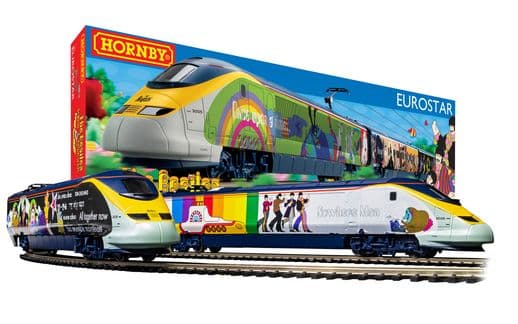
Passenger rail franchising in Great Britain was created by the Railways Act 1993 and involves franchises being awarded by the government to train operating companies (TOCs), through a process of competitive tendering...
ERA 11 (Present Day) 2014 onwards
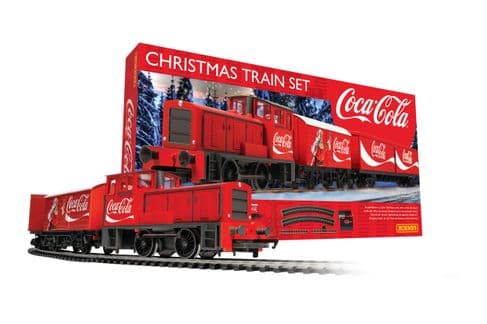
Until late March 2020, the system of rail franchising was covered by a mixture of tender awarded franchises and directly operated railways, such as ScotRail, LNER, GWR and Avanti West Coast...
Railway Era System
This era system reflects all relevant time periods, especially when taking into account the 'grey' areas that have arisen as one period blurs into the next